TL;DR: Understanding hurricane wind categories helps homeowners and communities prepare for storms by knowing what to expect from each level of the Saffir-Simpson Hurricane Scale. This blog breaks down how hurricane category wind speeds translate into real-world impacts, from minor roof damage to catastrophic destruction.
- Explains the Saffir-Simpson Hurricane Wind Scale and how it measures sustained winds in miles per hour
- Details each category (1–5) and expected damage levels, from roof failure to total power loss
- Covers secondary effects like storm surge and structural damage in residential areas
- Provides preparation tips based on hurricane categories and wind speeds
- Emphasizes why understanding hurricane wind speed categories is key to protecting your home and safety
When a hurricane approaches, one of the first things you’ll hear from meteorologists is its category—Category 1, 2, 3, 4, or 5. These numbers aren’t arbitrary; they come from the Saffir-Simpson Hurricane Scale, a system developed to describe hurricane wind categories and the potential destruction each level can cause.
Understanding hurricane categories and wind speeds can help you grasp the seriousness of a storm, prepare your property, and stay safe when dangerous winds will produce widespread damage.
What Is the Saffir-Simpson Hurricane Wind Scale?
The Saffir-Simpson Hurricane Scale was developed in the early 1970s by engineer Herbert Saffir and meteorologist Robert Simpson, then director of the National Hurricane Center.
This system classifies hurricanes based on sustained wind speed—the average wind measured over one minute at about 33 feet above ground. The higher the wind speed, the higher the category, and the greater the potential for destruction.
The scale helps emergency managers, insurers, and homeowners understand what kind of structural damage and power outages to expect as storms intensify.
Overview of Hurricane Wind Categories
Each category on the Saffir-Simpson Hurricane Wind Scale corresponds to a range of hurricane category wind speeds, measured in miles per hour (mph). Let’s break down the hurricane wind speeds by category and the expected impacts for each.
Category 1: 74–95 mph – Dangerous Winds Will Produce Some Damage
At this level, sustained wind speed is strong enough to cause minor structural damage.
Potential Impacts:
- Damage to shingles, siding, and gutters
- Tree branches snapping; shallow-rooted trees may topple
- Power outages likely due to downed lines
- Coastal flooding possible due to moderate storm surge
While Category 1 storms are considered the least severe, they can still threaten life and property—especially in older or poorly built residential areas.
Category 2: 96–110 mph – Extremely Dangerous Winds Will Cause Extensive Damage
When hurricane category wind speeds reach Category 2, homes begin to experience major damage.
Potential Impacts:
- Roof shingles and decking may fail
- Doors and windows could break under pressure
- Near-total power outages lasting days or weeks
- Storm surge can flood coastal roads and homes
At this stage, hurricane wind speed categories indicate enough strength to turn debris into dangerous projectiles. Flying objects can break windows and cause injuries.
Category 3: 111–129 mph – Devastating Damage Will Occur
A Category 3 hurricane is considered a major hurricane under the Saffir-Simpson Hurricane Scale.
Potential Impacts:
- Roof failure and wall damage in many homes
- Uprooted trees and blocked roads
- Long-term power outages and water loss
- Serious flooding from storm surge 9–12 feet high
At this point, residential areas may become uninhabitable for several weeks. Reinforced homes will likely still sustain major damage.
Category 4: 130–156 mph – Catastrophic Damage Will Occur
When winds climb to Category 4 levels, catastrophic damage will occur. The destructive potential of these hurricane categories’ wind speed ranges cannot be overstated.
Potential Impacts:
- Complete roof failure on most homes
- Structural collapse of small buildings
- Total power loss and water outages lasting weeks
- Massive storm surge flooding; coastal areas destroyed
According to the National Hurricane Center, these dangerous winds will produce near-total devastation in affected communities.
Category 5: 157+ mph – Catastrophic Damage Will Occur
The most severe category on the Saffir-Simpson Hurricane Wind Scale, Category 5 hurricanes bring sustained wind speeds exceeding 157 miles per hour.
Potential Impacts:
- Complete destruction of residential areas
- Most roofs and walls fail, even in reinforced buildings
- Infrastructure wiped out; roads impassable
- Total power loss lasting months
- Massive storm surge up to 20 feet or higher
Few structures can withstand this level of force. Evacuation is the only safe option.
Why the Saffir-Simpson Hurricane Scale Matters
The hurricane wind categories system helps communicate risk to the public in a simple way. By assigning a single number, the scale provides an immediate sense of severity and urgency.
However, the scale focuses only on wind speed. It doesn’t account for rainfall or storm size—both of which can greatly influence damage. Still, hurricane categories and wind speeds offer vital clues about what communities should expect.
Real-World Examples by Category
To understand how hurricane wind speed categories translate into reality, consider a few past storms:
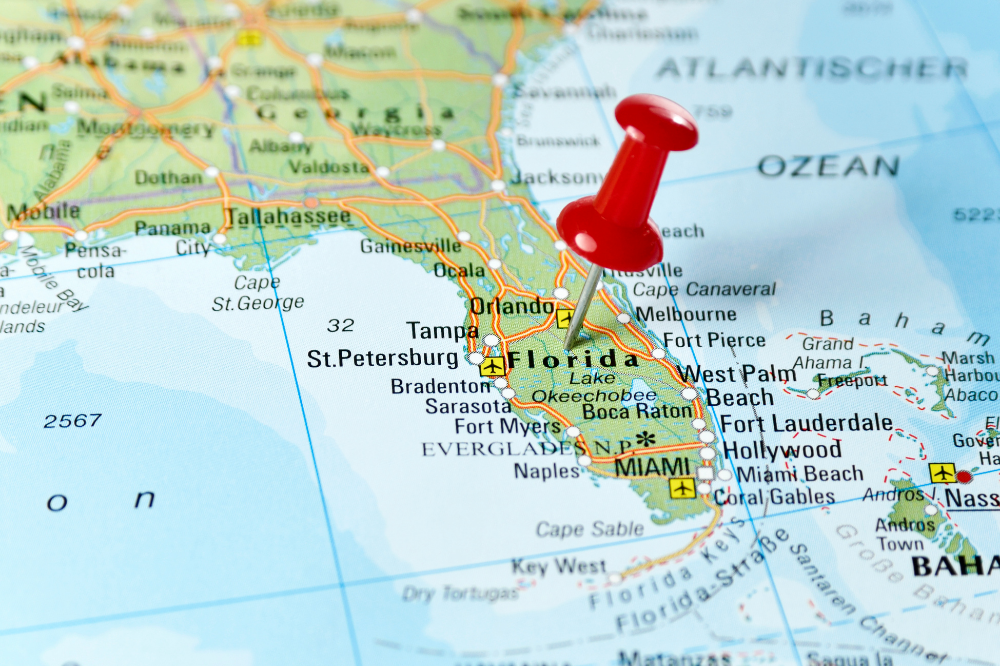
- Category 2 (Hurricane Frances, 2004): Knocked out power for over 6 million Floridians; caused widespread roof and tree damage.
- Category 3 (Hurricane Katrina, 2005): Though later classified as Category 3 at landfall, its storm surge devastated New Orleans.
- Category 5 (Hurricane Andrew, 1992): Flattened neighborhoods in South Florida, causing major damage and redefining the Florida Building Code for storm safety.
These examples show that even lower-category hurricanes can cause immense destruction depending on location and size.
The Role of Storm Surge and Power Loss
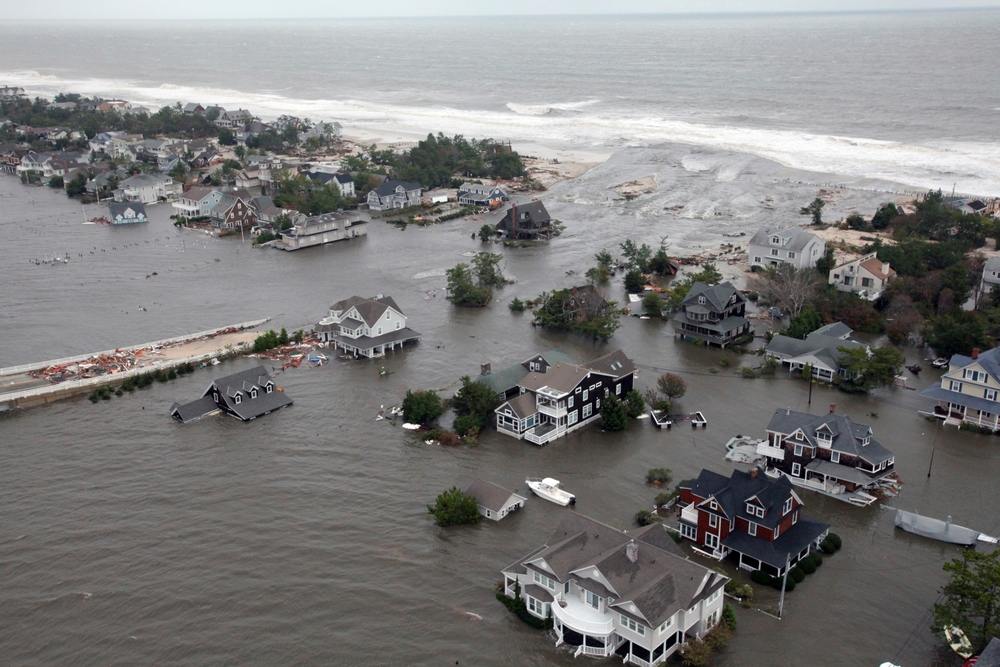
Although the Saffir-Simpson Hurricane Scale focuses on sustained wind speed, storm surge remains one of the deadliest aspects of hurricanes. A wall of seawater pushed ashore by strong winds, storm surge can flood miles inland, destroying homes and infrastructure.
Equally devastating are power outages. After a major hurricane, total power loss can last for weeks, leaving communities struggling without cooling, communication, or clean water.
How to Prepare Based on Hurricane Wind Categories
Understanding hurricane categories and wind speed helps you make better decisions before and during storms.
Before the Storm:
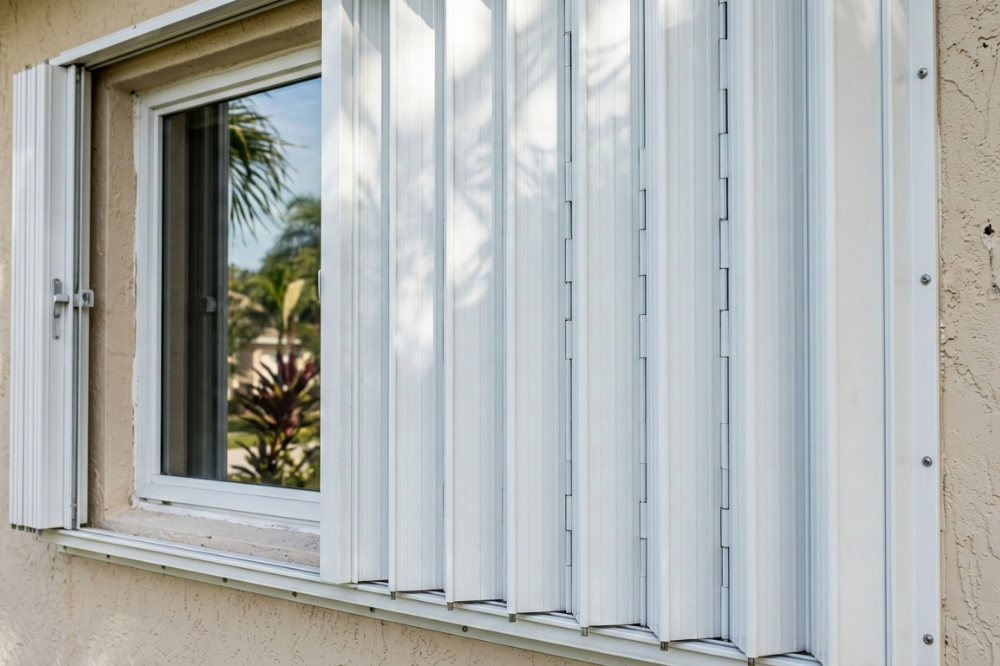
- Reinforce your roof and install impact-resistant windows.
- Remove outdoor items that can become debris.
- Keep backup generators ready for potential total power loss.
- Follow evacuation orders promptly—especially in residential areas near the coast.
During the Storm:
- Stay away from windows and doors.
- Shelter in a small, interior room on the lowest floor.
- Avoid driving or walking through floodwaters.
After the Storm:
- Wait for officials to declare it safe before returning.
- Beware of downed power lines and structural damage.
The Bottom Line on the Saffir-Simpson Hurricane Scale
The Saffir-Simpson Hurricane Scale simplifies complex meteorological data into something every homeowner can understand. By knowing the hurricane wind speed categories, you can gauge how dangerous a storm truly is and what precautions to take.
Each increase in sustained wind speed brings exponentially more destructive force—from minor roof damage at Category 1 to catastrophic damage at Category 5.
So, as each hurricane season approaches, pay attention not just to the name of the storm but to its category. Those numbers could mean the difference between staying safe and facing disaster.
Safeguard your home and lower your insurance premium through the Hurricane Safety Program.