Many Florida homeowners ask this question after buying a home, preparing for hurricane season, or dealing with a home insurance inspection: how do I know if I have hurricane windows? It’s a simple question, but in Florida’s insurance and inspection environment, the answer can have serious financial and safety consequences.
Thousands of homeowners already have impact-resistant windows and don’t know it. Others assume they do, only to find out during an insurance inspection that their windows don’t qualify. With rising insurance premiums, stricter inspections, and more policy non-renewals across Florida, knowing the truth about your windows has never been more important.
This guide explains exactly how to identify hurricane windows, what inspectors and insurance companies look for, and what to do if you’re unsure. Everything here is written for Florida homeowners, using the same standards insurers and building departments rely on.
What Are Hurricane Windows, Really?
“Hurricane windows” is the term most homeowners use, but inspectors and insurers typically call them impact-resistant windows or impact-rated glazing. To qualify as hurricane windows in Florida, a window must meet Florida Building Code requirements and pass large missile impact testing. This testing simulates debris hitting the window at high speed during a hurricane.
True hurricane windows use laminated glass and reinforced frames designed to withstand extreme wind pressure and flying debris. If a window has not been impact-tested and approved, it does not qualify as hurricane protection for insurance purposes, no matter how thick or modern it looks.
The Most Reliable Way to Tell If You Have Hurricane Windows
Check for an Etched Marking on the Glass
The fastest and most reliable way to identify hurricane windows is by examining the glass itself. Most impact windows have a permanent etched marking in one corner of the glass. This etching is subtle and often overlooked, but it is what inspectors rely on.
What the etching may include:
- Manufacturer name
- Reference to laminated or impact glass
- Florida Product Approval number
- Miami-Dade Notice of Acceptance number
- ASTM or TAS testing standards
Stickers do not count. Inspectors only trust permanent etchings because they cannot be removed.
If your windows have this type of etched identification, there is a strong likelihood they are impact-rated.
Look for Laminated Glass
Hurricane windows use laminated glass, similar to a car windshield. This means two pieces of glass are bonded together with a clear plastic interlayer. When struck by debris, the glass may crack but remains intact instead of shattering.
Homeowners can sometimes identify laminated glass by looking at the edge of the window pane, where the layered construction may be visible. Another clue is sound. Laminated glass tends to produce a dull, solid sound when tapped, unlike standard glass, which sounds sharper and more hollow.
A common mistake is assuming double-pane windows are hurricane windows. Double-pane glass is designed for insulation, not impact resistance. Without laminated glass and impact testing, double-pane windows do not qualify as hurricane protection.
Check Permits and Installation Records
Building permits are another important source of confirmation. If your windows were installed after the early 2000s, particularly after Florida strengthened its building codes, there is a good chance they are impact-rated if permits were pulled correctly.
Local city or county permitting websites often show whether impact windows were installed and may list product approval numbers. However, if windows were installed without permits, insurance companies may deny wind mitigation credits even if the windows themselves are impact-rated.
Review Your Wind Mitigation or 4-Point Inspection
Many homeowners already have the answer in paperwork they’ve never reviewed. Wind mitigation inspections and 4-point inspections include a section on opening protection. If impact-rated glazing is verified, inspectors will mark the home as protected.
If the report lists the protection as unknown or absent, the insurer will treat the home as unprotected, even if impact windows are installed. This is one of the most common reasons homeowners miss out on insurance discounts.
Manufacturer Information Can Confirm Impact Ratings
If you know the window manufacturer or model, you can often confirm impact ratings through product specifications or approval databases. This is especially helpful if etched markings are difficult to read or missing.
Manufacturer documentation is frequently requested during insurance inspections when physical markings alone are not sufficient.
What Does NOT Mean You Have Hurricane Windows
Many Florida homeowners assume they have hurricane windows based on appearance alone. The following features do not guarantee impact resistance:
- Tinted or reflective glass
- Double-pane or energy-efficient windows
- Aluminum window frames
- Thick-looking glass
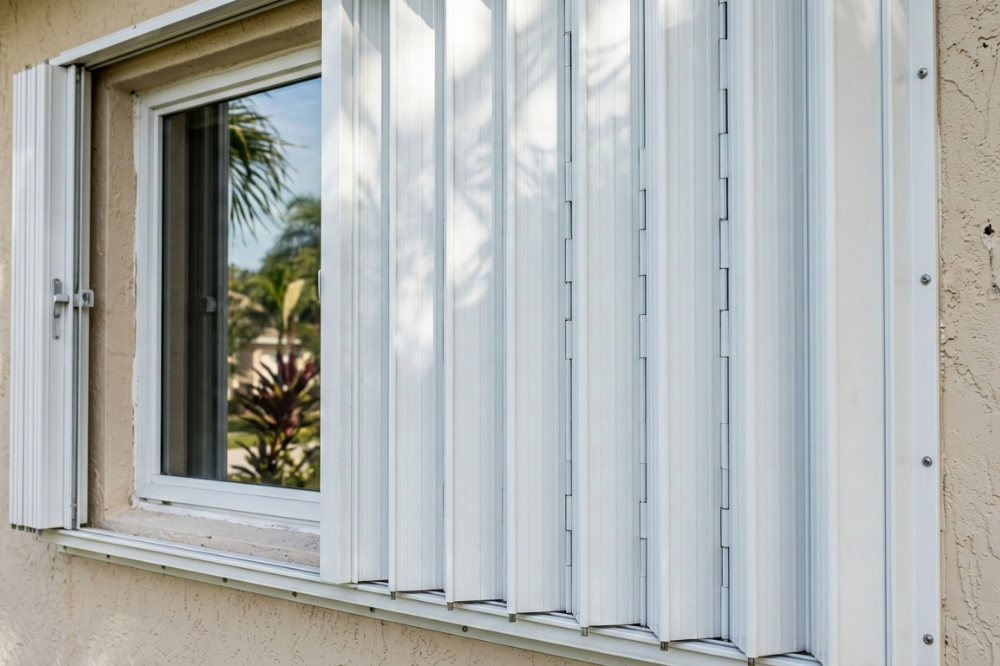
- Hurricane shutters installed separately
- Recently installed windows without permits
Insurance companies and inspectors do not make assumptions. Without proof, windows are treated as standard glass.
Hurricane Windows vs Impact Windows
Homeowners often ask about the difference between hurricane windows and impact windows. In practical terms, they should be the same. However, some products marketed as hurricane windows only meet wind pressure requirements and still require shutters.
For insurance and inspection purposes, only windows that have passed impact testing and received approval qualify as true hurricane windows.
Common Inspection Failure Scenarios Florida Homeowners Face
Even when homeowners believe they have hurricane windows, inspections often fail for reasons that have nothing to do with safety and everything to do with documentation and verification. The most common failure scenarios include:
- Missing or unreadable glass etchings that inspectors cannot verify on site
- Lack of product approval documentation to support laminated or impact-rated glass
- Partial protection, where only some windows are impact-rated and others are not
- Outdated or incorrect wind mitigation or 4-point inspection reports
- Windows installed without permits or without final permit approval
These situations are frustrating because the protection may already exist, but without proper verification, insurance companies treat the home as unprotected.
Why This Matters for Florida Home Insurance
Florida insurers place heavy emphasis on opening protection. Homes with verified impact-rated windows may qualify for wind mitigation credits and improved insurability. Homes without verified protection often face higher premiums, failed inspections, or non-renewals.
With Florida’s ongoing home insurance crisis, insurers are becoming less flexible. Knowing whether your windows qualify—and being able to prove it—can make a significant difference.
Hurricane Safety and Storm Protection Benefits
Beyond insurance savings, hurricane windows protect against wind-driven rain, flying debris, and pressure changes that can cause roof failure. They also improve energy efficiency, reduce outside noise, and increase home value.
For many homeowners, impact windows provide both financial and safety peace of mind.
What to Do If You’re Not Sure or Not Getting Credit
Many homeowners discover they have impact windows but are not receiving insurance credit due to missing documentation or incorrect inspections. Others learn their protection is partial and needs upgrading.
Programs like the Hurricane Safety Program help homeowners verify existing protection, correct inspection reports, and understand eligibility for Florida hurricane window programs. The focus is on compliance, documentation, and safety—not pressure sales.
Final Thoughts
If you’re asking how do I know if I have hurricane windows, you’re already taking the right step. In Florida, guessing can be expensive. Verification protects your home, your insurance policy, and your finances.
Knowing the truth now is far better than finding out during a failed inspection or hurricane warning.
Take Action: Check If Your Home Qualifies
If you’re still unsure whether your windows qualify as hurricane impact windows — or if you suspect you’re not receiving the insurance credit you should — now is the time to take action.
This step can help you:
- Confirm whether your windows are truly impact-rated
- Identify missing documentation or incorrect inspection reports
- Determine if your home qualifies for wind mitigation credits
- Understand eligibility for Florida hurricane window programs
- Avoid failed inspections or insurance non-renewals
Taking action early can help you reduce insurance costs, improve storm protection, and eliminate surprises during renewals or inspections.
Call to Action
Don’t wait until an insurance renewal, inspection notice, or hurricane warning forces you to act under pressure. Understanding whether your windows qualify as hurricane impact windows puts you in control of your home’s safety and insurance costs.
Verifying your protection now gives you time to fix documentation issues, correct inspection errors, or plan upgrades on your terms — not an insurance company’s timeline.
Check if your home qualifies today and find out whether your windows are helping you save on insurance or putting your coverage at risk.