Introduction
Florida weather is one of the biggest forces shaping how homes age, how often repairs are needed, and how insurance companies evaluate risk. Between intense heat, heavy rain, high humidity, and hurricane season, Florida homes face year‑round stress that homeowners in other states rarely experience.
For many homeowners, the real shock comes later—during an insurance renewal or inspection—when weather‑related wear turns into premium increases, repair demands, or even policy non‑renewals. Understanding Florida weather is not just about knowing when storms arrive. It’s about knowing how that weather impacts your roof, doors, windows, and overall insurability.
This guide explains Florida’s weather patterns, how they affect homes across the state, and what homeowners can do to reduce damage, avoid inspection issues, and stay protected.
Understanding Florida Weather Patterns
Florida does not follow the traditional four‑season calendar. Instead, the state experiences two dominant seasons that directly affect homes.
Wet Season (Late Spring Through Fall)
From roughly May through October, Florida enters its wet season. This period brings:
- Frequent thunderstorms
- Heavy rainfall
- High humidity
- Strong wind events
- Hurricane season overlap
During these months, homes are exposed to repeated moisture cycles that stress roofs, seals, and exterior materials. Small vulnerabilities can quickly turn into leaks or structural issues.
Dry Season (Late Fall Through Early Spring)
From November through April, Florida experiences lower humidity, cooler temperatures, and far less rain. While this period feels calmer, it’s often when homeowners discover damage that developed quietly during the wet season.
Dry season is also when insurance inspections, renewals, and home upgrades typically occur—making it a critical time to address any weather‑related issues.
Hurricane Season and Florida Homes
Hurricane season officially runs from June 1 through November 30, but its effects extend far beyond named storms. Even tropical systems and strong thunderstorms can produce:
- Wind‑driven rain
- Roof uplift pressure
- Door and window stress
- Flooding and water intrusion
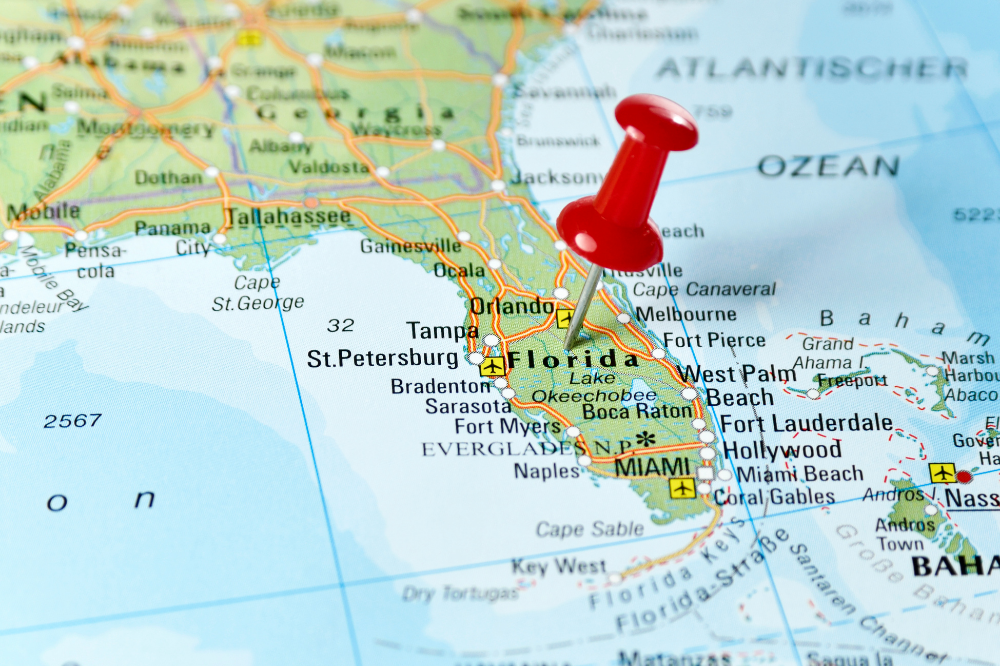
Florida has more recorded hurricane impacts than any other state, and every region—from the Panhandle to South Florida—faces risk. Homes that are not properly sealed or reinforced are far more likely to suffer damage that leads to costly insurance claims.
How Florida Weather Damages Homes Over Time
Most Florida weather damage is not sudden or dramatic. It builds gradually, often out of sight.
Heat and Sun Exposure
Florida’s intense sun accelerates roof aging. Shingles dry out, adhesives weaken, and materials become brittle. Roofs that might last decades in cooler climates often need replacement much sooner in Florida.
Signs of heat‑related roof wear include curling shingles, granule loss, and cracking around penetrations.
Heavy Rain and Moisture
Florida rain is persistent and often wind‑driven. Water intrusion commonly occurs through:
- Roof flashing failures
- Aging sealant around doors and windows
- Sliding door tracks that do not drain properly
- Poor exterior drainage
Moisture problems are compounded by Florida’s humidity, which allows mold to grow quickly once water enters the home.
If you suspect a roof leak but can’t find the source, this guide can help: https://hurricanesafetyprogram.org/how-to-fix-a-leaking-roof-from-the-inside/
Wind Pressure on Doors and Windows
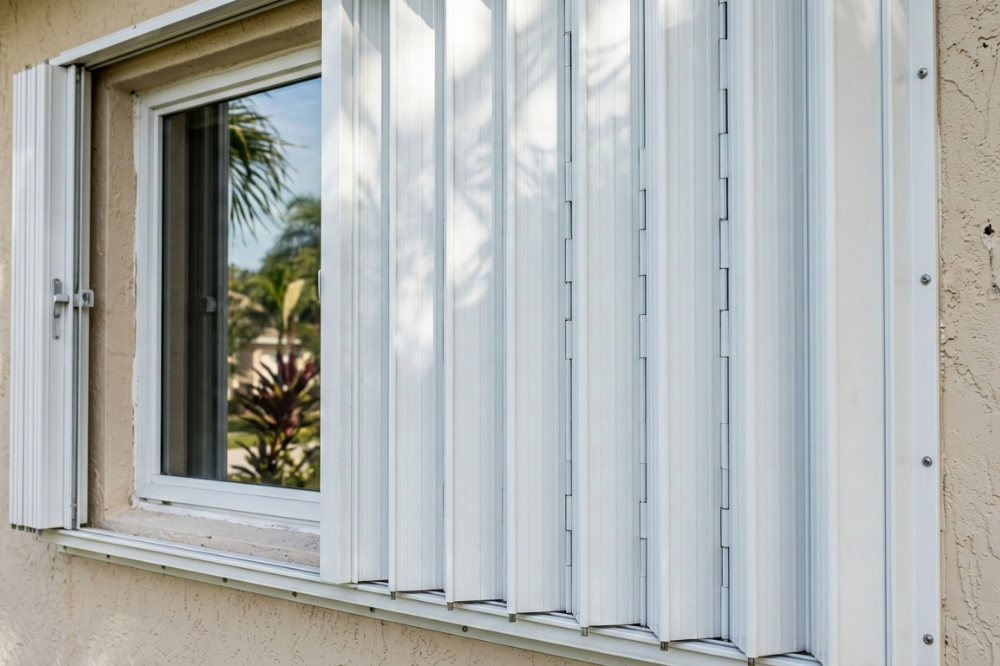
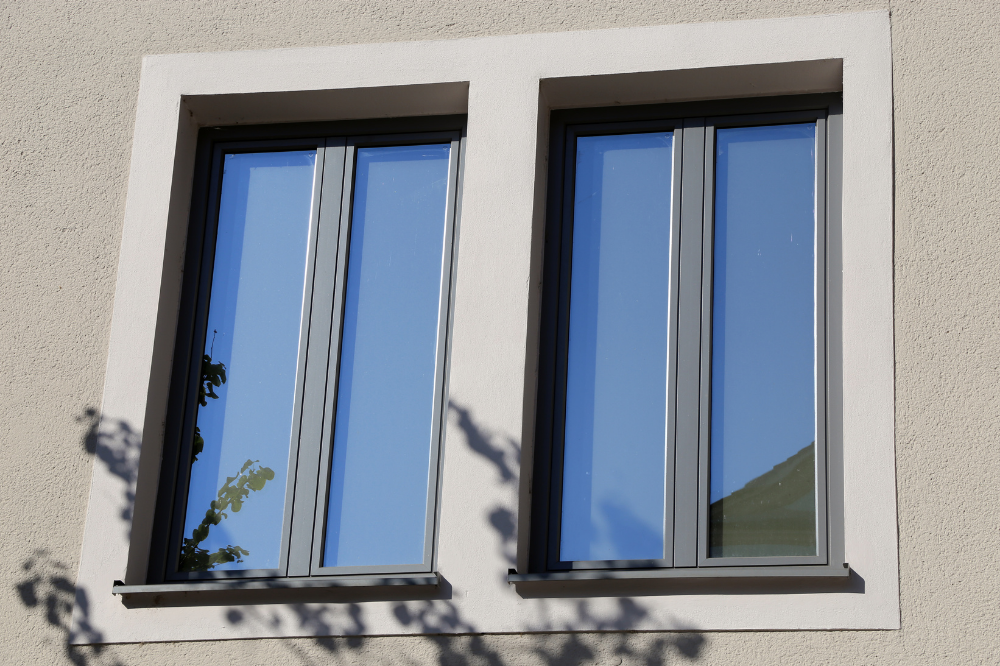
Doors and windows are among the most vulnerable parts of a Florida home. Wind pressure can cause failure even without debris impact. When an opening fails, pressure inside the home increases and can worsen roof damage.
This is why properly installed, well‑sealed doors and windows are critical in Florida—especially during storm season.
Florida Weather by Region
North Florida and the Panhandle
North Florida experiences stronger cold fronts, occasional freezes, and frequent Gulf‑driven storms. Hurricanes in this region can intensify rapidly before landfall, producing severe wind damage.
Central Florida
Central Florida sees frequent thunderstorms, intense lightning activity, and inland wind events. While storms often weaken before reaching this region, repeated exposure leads to roof wear and water intrusion over time.
South Florida
South Florida experiences longer wet seasons, higher humidity, and stricter building standards. Homes here face persistent weather stress and higher insurance scrutiny, especially for roofs and exterior openings.
Why Florida Weather Impacts Home Insurance
Insurance companies closely evaluate how well a home can withstand Florida weather. The most common inspection focus areas include:
- Roof age and condition
- Signs of past water intrusion
- Door and window integrity
- Wind mitigation features
Florida law limits insurers from canceling policies solely based on roof age when inspections show remaining useful life, but visual wear and documentation gaps still create challenges for homeowners.
Weather‑related wear that goes unaddressed often leads to failed inspections, premium increases, or non‑renewals.
Seasonal Home Maintenance Strategy
Before the Wet Season
- Inspect roof and flashing
- Clean gutters and drainage areas
- Reseal doors and windows
During Peak Storm Months
- Monitor ceilings and attic after heavy rain
- Secure outdoor items
- Trim trees near the home
Dry Season Planning
- Schedule inspections
- Plan upgrades or repairs
- Address documentation for insurance renewals
A full preparedness checklist is available here: https://hurricanesafetyprogram.org/2024/10/25/hsps-hurricane-preparedness-guide-essential-tips-for-protection-and-survival/
Common Homeowner Mistakes
Florida homeowners often run into problems by:
- Waiting for visible leaks instead of addressing early signs
- Replacing doors or windows without permits
- Ignoring seal and threshold deterioration
- Assuming inland homes are low‑risk
- Failing to document upgrades
These mistakes are frequently discovered during insurance inspections rather than during storms.
How the Hurricane Safety Program Helps
Florida weather makes proactive preparation essential. The Hurricane Safety Program helps homeowners identify vulnerabilities, prioritize upgrades, and ensure work is completed in a way that aligns with insurance inspection expectations.
Rather than reacting after storm damage or insurance notices, homeowners who plan ahead can reduce risk, protect their home, and avoid last‑minute stress.
For homeowners concerned about insurance challenges, this guide provides additional context: https://hurricanesafetyprogram.org/2024/10/24/home-insurance-crisis-in-florida-a-guide-through-stormy-times/
Take Action
Florida weather will continue to challenge homes across the state. If your home is over 15 years old, has an aging roof, or shows signs of moisture or storm wear, now is the time to act.
Take Action: Check If Your Home Qualifies
Protect your home, avoid insurance surprises, and stay prepared for Florida weather year‑round.