Why Florida Homeowners Are Upgrading to Impact Doors
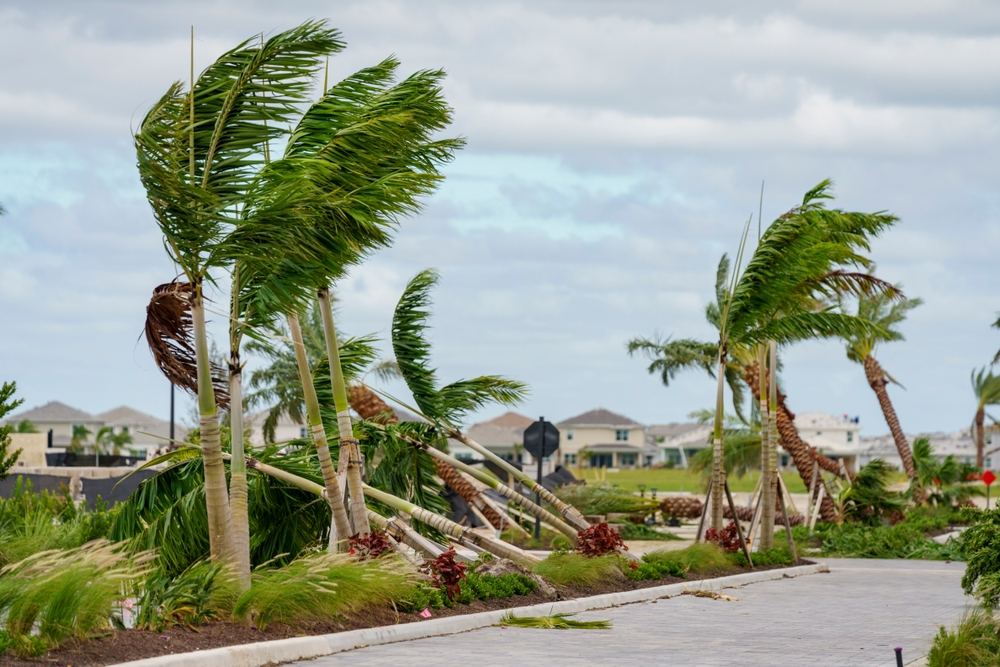
Florida homes face relentless exposure to hurricanes, high winds, and flying debris. If your entry doors aren’t impact-rated, your home may not meet insurance or building code standards—especially in Miami-Dade, Broward, Palm Beach, and Hillsborough counties. But today’s impact doors aren’t just protective—they’re beautifully designed, highly efficient, and key to reducing insurance premiums.
That’s where the Hurricane Safety Program (HSP) helps. HSP connects Florida homeowners with licensed contractors and financial resources to upgrade doors, pass inspections, and secure insurance discounts—all while elevating the look of your home.
Let’s explore the top impact door designs, code requirements, materials, and benefits to help you make the smartest choice.
What Makes a Door “Impact Rated” in Florida?
Impact doors are not just heavy-duty—they must meet strict Florida Building Code (FBC) requirements and withstand simulated hurricane conditions.
Testing Standards:
- TAS 201/202/203: Used in High Velocity Hurricane Zones (HVHZ)
- ASTM E1886 & E1996: Nationwide standards for impact resistance
- Miami-Dade NOA (Notice of Acceptance): Required in Miami-Dade & Broward
- Florida Product Approval (FL#): Required in Palm Beach, Hillsborough, and other counties outside HVHZ
To pass these tests, doors must resist:
- Wind pressures (Design Pressure/DP ratings)
- Air and water infiltration
- Impact from large and small missile debris
A common myth is that any “solid” door can pass. In reality, every impact-rated door is part of a tested system—including the glass, frame, anchoring hardware, and installation method.
Most Popular Impact Door Designs in South Florida
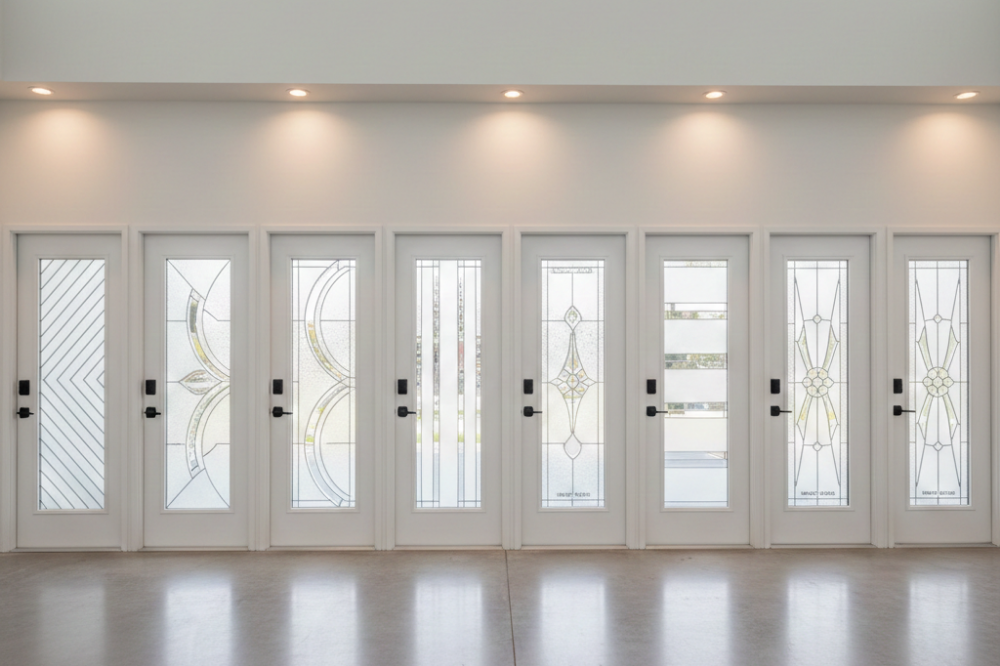
Florida homeowners no longer have to sacrifice beauty for safety. Here are top impact door styles that match both aesthetic and code.
1. Single Entry Doors
- Clean, classic, secure
- Great for smaller entryways
- Frequently styled with sidelights (also impact-rated)
2. Double Entry Doors
- Grand front entrances
- Popular in Mediterranean and Colonial homes
- Adds symmetry and natural light
3. French Impact Doors
- Elegant and open feel
- Ideal for patios, balconies, or formal entryways
- Can include arched transoms or divided lite styles
4. Sliding Glass Impact Doors
- Great for pool areas and scenic views
- Wide glass panels with laminated impact glass
- Contemporary homes often use 3- or 4-panel stacking systems
5. Bi-Fold or Pivot Doors
- Modern, luxurious, high-end homes
- Customizable and visually striking
- Used in high-value coastal remodels in places like Boca Raton or Tampa Bay
Materials: Performance, Durability & What Works Best in Florida
When it comes to impact doors, the material you choose affects everything—from hurricane resistance to thermal performance and long-term maintenance. In Florida’s coastal and humid climate, not all materials hold up equally. Here’s what homeowners should know.
Wood: Beautiful but less recommended for coastal Florida unless specially treated. Absorbs moisture and requires frequent maintenance. Engineered or clad wood options provide better protection.
Fiberglass: One of the most popular options in South Florida. Strong, rust-resistant, and won’t warp in heat or humidity. Energy-efficient and low maintenance, with the look of real wood without the drawbacks.
Aluminum: Lightweight yet structurally strong, ideal for large glass-panel designs. Requires a thermal break for better insulation and powder-coated finishes to resist salt corrosion. Durable, but less insulating than fiberglass or composite.
Steel: Offers maximum security and rigidity, commonly used for front entries. Impact-rated but prone to rust if the coating is damaged—especially in coastal areas. Requires regular maintenance.
Composite: Made from a blend of wood, fiberglass, and polymers. Resists warping and moisture while providing good insulation. A versatile mid-to-high-end option when properly installed.
Conclusion on Materials
For most homeowners in South Florida or the Tampa Bay area, fiberglass and powder-coated aluminum offer the best combination of resilience, code compliance, and low maintenance. However, the best choice depends on your design goals, local exposure (coastal vs inland), and insurance requirements. Always confirm that the entire door system—including frame, hinges, locks, and thresholds—is approved for impact use (Miami-Dade NOA or Florida FL#).
Glass Options That Boost Safety and Curb Appeal
Impact doors often feature glass—but not just any glass. You’ll want options that blend hurricane protection with style:
- Laminated Impact Glass: Two panes bonded with PVB layer
- Decorative Glass: Textured, frosted, or tinted—still impact-rated
- Low-E Glass: Improves energy efficiency and reduces UV damage
- IGUs (Insulated Glass Units): Enhance insulation and soundproofing
Want peace and quiet?
Choose models with certified STC/OITC sound ratings, great for homes near airports, highways, or busy coastal areas.
Florida Code & Insurance Requirements by County
Miami-Dade & Broward (HVHZ)
- Requires NOA + TAS testing
- Must meet wind pressure zones and large missile impact standards
- Installers must follow NOA anchoring, spacing, and sealant specs
Palm Beach & Hillsborough
- Requires FL Product Approval (FL#)
- Must meet Design Pressure (DP) ratings, typically +50/-60 psf or more
- Often overlooked: water intrusion standards under TAS 202
Failure to meet these code standards is a leading cause of failed 4-point or wind mitigation inspections.
Insurance & Inspection Advantages
Installing hurricane-rated doors isn’t just about safety—it’s a strategic way to lower your home insurance costs in Florida.
Benefits Include:
- Wind Mitigation Credits under Florida Statute 627.0629
- Verified via wind mitigation inspection (form OIR-B1-1802)
- Avoid inspection flags due to old or non-compliant doors
- Eligible for My Safe Florida Home grants (up to $10,000)
In some cases, replacing just the front entry and rear patio doors with impact models can unlock $500+ in annual premium reductions.
Real Homeowner Scenarios
- Linda replaced her roof, windows, and doors—and saved $2,236 a year on home insurance
- Errol in North Miami upgraded his home with impact windows and doors — and saved $4,709 a year on home insurance
Common Mistakes to Avoid
- Choosing decorative glass without impact certification
- Hiring non-certified installers (may void FL# or NOA compliance)
- Assuming any heavy-duty door is impact-rated (must be labeled)
- Neglecting installation details like waterproof seals or proper fasteners
- Failing to submit updated wind mitigation forms post-installation
The Hurricane Safety Program: Style Meets Compliance
Through the Hurricane Safety Program, Florida homeowners can:
- Get a free inspection to check for door compliance
- Access financing and grant programs for upgrades
- Choose stylish impact-rated doors from top brands (PGT, Therma-Tru, Andersen)
- Ensure professional installation that meets code
We handle everything—from product selection to permitting and compliance.
FAQs: What Homeowners Ask Most
Do I need impact doors if I already have shutters?
If your shutters are code-compliant and functional, no. But impact doors offer 24/7 protection without deployment and often reduce noise and energy use.
How do I know if my current door is impact-rated?
Check the frame or glass for a permanent label with a Florida Product Approval (FL#) or Miami-Dade NOA number.
Will I get a discount on insurance right away?
Most insurers require a new wind mitigation inspection showing the door rating. Submit form OIR-B1-1802 through your agent.
What’s the lifespan of a typical impact door?
Most aluminum or fiberglass systems last 25–30 years with proper care.
Ready to Upgrade?
Check if your home qualifies for an inspection or impact door upgrade today.