What part of Florida is safest from hurricanes?
It’s one of the most common questions homeowners ask—especially after a major storm, an insurance premium increase, or a failed inspection.
With rising insurance costs across Florida and stricter underwriting requirements, many homeowners are wondering if moving north or further inland would reduce their risk.
Here’s the honest answer:
No part of Florida is completely safe from hurricanes.
However, some areas historically experience fewer direct landfalls or less severe impacts. But even more important than geography is how well your home is built and protected.
At the Hurricane Safety Program, we help Florida homeowners strengthen their homes to meet modern wind standards, pass insurance inspections, and reduce risk—no matter where they live.
Let’s break down what “safest” really means in Florida.
Is Any Part of Florida Truly Safe From Hurricanes?
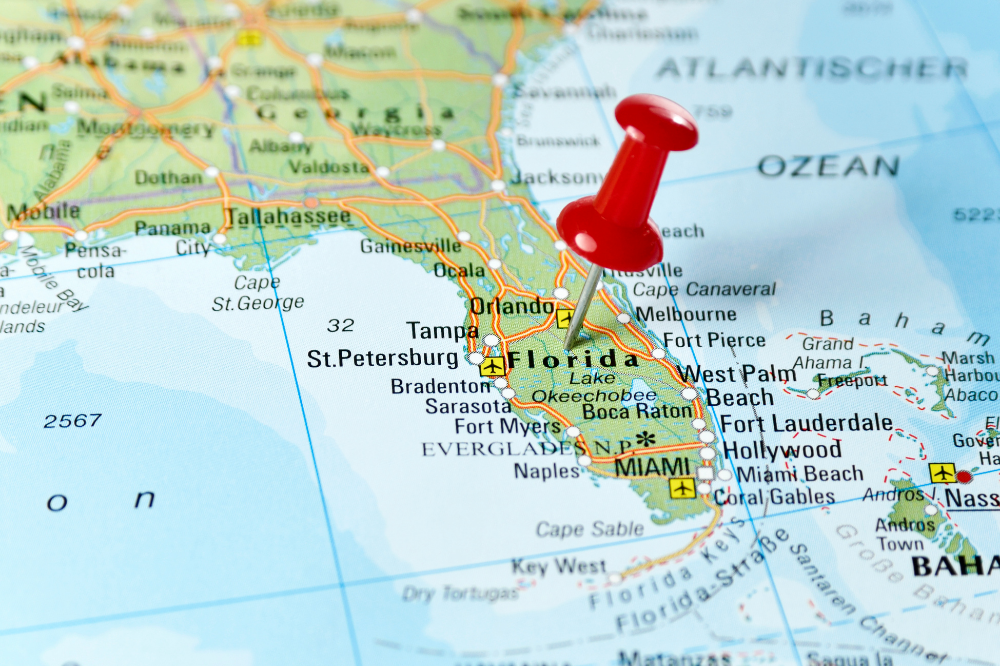
Florida is surrounded by warm water on three sides. That geography makes the entire state vulnerable to tropical systems.
Even cities far from the coast experience:
• High sustained winds
• Tornadoes spawned by hurricanes
• Heavy rainfall
• Flooding
• Falling trees and roof damage
While some regions have fewer direct hits historically, every part of Florida has experienced hurricane effects.
That’s why insurance companies do not classify any county as hurricane-free. Instead, they evaluate your specific property risk based on construction and mitigation features.
Areas With Historically Lower Hurricane Impact
When people ask what part of Florida is safest from hurricanes, they usually mean: which areas get hit the least?
Historically, areas that experience fewer direct landfalls include:
• North Central Florida (Lake City region)
• Inland North Florida
• Gainesville area
• Ocala and interior Central Florida
These areas are:
• Farther from storm surge
• Slightly north of common hurricane tracks
• Less exposed to coastal wind amplification
However, “lower risk” does not mean immune.
Hurricane Irma impacted nearly the entire state. Hurricane Charley caused major damage well inland. Tropical systems frequently cross from one coast to the other.
Even Orlando has experienced severe hurricane damage.
So while inland and northern regions may statistically face slightly reduced exposure, they are not hurricane-proof.
Highest-Risk Areas in Florida
Coastal regions historically experience stronger impacts due to storm surge and wind intensity.
Higher-risk regions include:
• South Florida (Miami-Dade, Broward, Palm Beach)
• The Florida Keys
• Southwest Florida (Naples, Fort Myers)
• Tampa Bay region
These areas are more exposed because they are:
• Directly along warm coastal waters
• Located on common hurricane paths
• Vulnerable to storm surge
• Densely developed near the shoreline
South Florida, in particular, faces some of the highest wind zone classifications in the state.
This increased exposure is one reason insurance premiums tend to be higher in coastal counties.
But location alone does not determine your risk level.
How Insurance Companies Evaluate Hurricane Risk
Many homeowners believe moving inland automatically lowers insurance costs.
In reality, insurance carriers evaluate:
• Roof age and condition
• Roof-to-wall connections
• Secondary water resistance
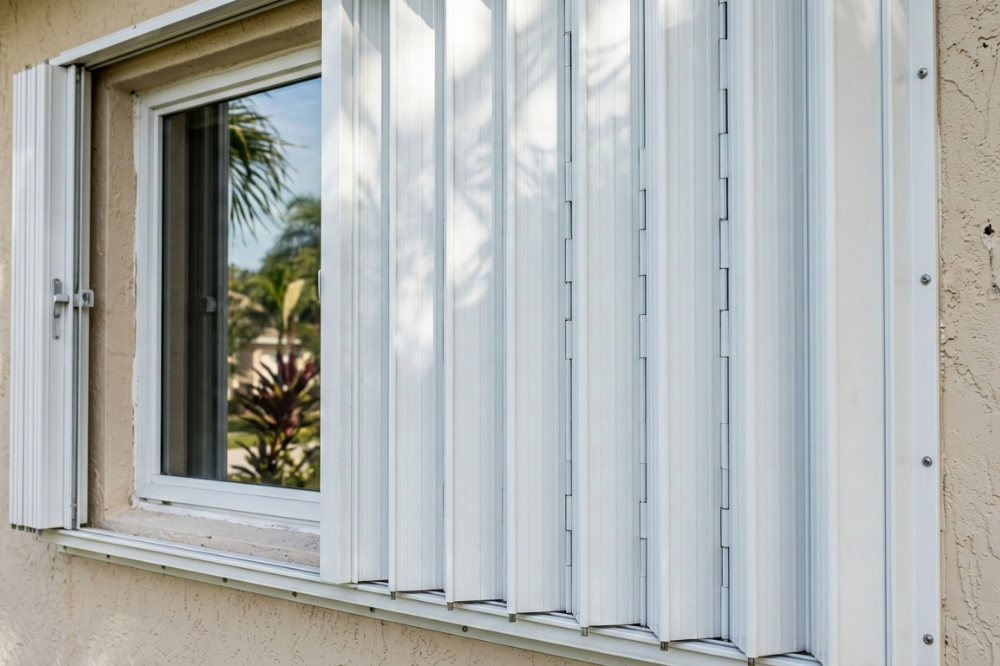
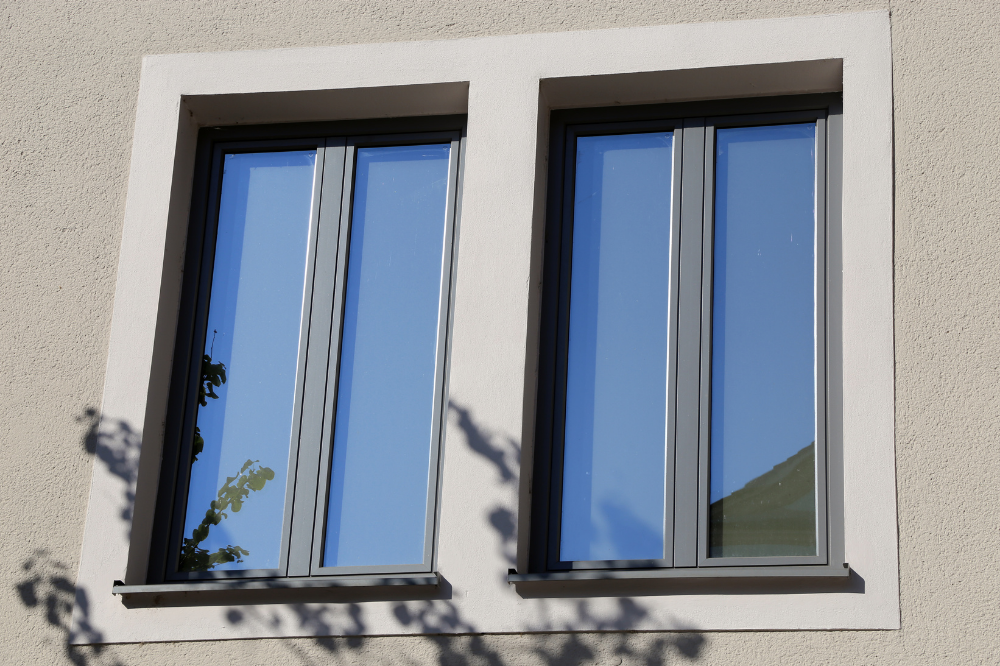
• Impact windows or approved shutters
• Claims history
• Overall structural integrity
A home in North Florida with an aging roof and no impact protection may still face high premiums or non-renewal.
Meanwhile, a fortified home in South Florida with modern wind mitigation features may qualify for better underwriting consideration.
That’s why strengthening your home often matters more than relocating.
If you want to understand how protection affects your home’s risk profile, you can learn more at https://hurricanesafetyprogram.org/.
Why Construction Quality Matters More Than Geography
Florida’s building codes changed significantly after 2002. Homes built or upgraded to modern standards are far more resistant to wind damage.
Critical hurricane-resistant features include:
• Impact-rated windows and doors
• Wind-resistant roofing systems
• Reinforced roof decking
• Hurricane straps or clips
• Proper roof-to-wall attachment
Without these features, homes are more vulnerable to:
• Roof uplift
• Water intrusion
• Interior pressurization
• Structural damage
The difference between minor repairs and catastrophic damage often comes down to whether these upgrades are in place.
That’s where proactive protection becomes powerful.
The Myth of the “Hurricane-Safe” City
It’s understandable to want certainty.
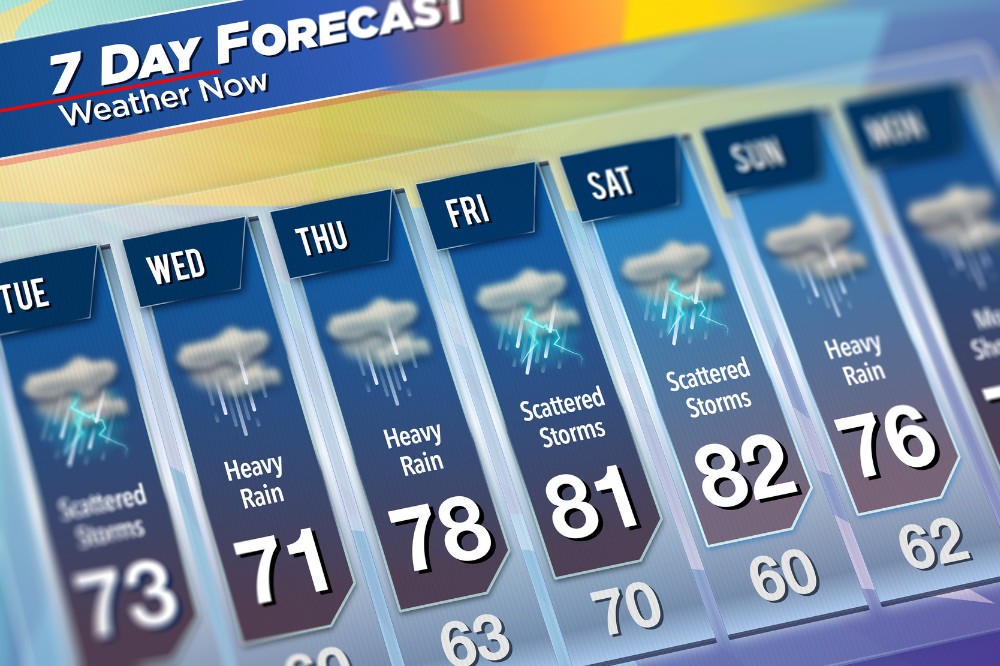
But hurricane paths are unpredictable. Storms can:
• Shift direction suddenly
• Rapidly intensify
• Maintain damaging winds inland
• Produce tornadoes far from landfall
Inland flooding can sometimes cause more prolonged damage than coastal wind events.
Instead of asking, “Where should I move?” many Florida homeowners are now asking a smarter question:
“How can I make my home stronger?”
That shift in thinking changes everything.
Hurricane Protection Is a Statewide Necessity
Whether you live in:
Jacksonville
Orlando
Tampa
Naples
Fort Lauderdale
Tallahassee
You live in a hurricane-prone state.
Preparedness is not optional in Florida. It is part of responsible homeownership.
That includes:
• Routine inspections
• Roof condition evaluations
• Wind mitigation assessments
• Proper documentation for insurance carriers
Ignoring these areas can lead to inspection failures or policy issues—regardless of location.
How the Hurricane Safety Program Helps
The Hurricane Safety Program was created to help Florida homeowners navigate hurricane protection and insurance requirements with clarity.
We are not just installers. We guide homeowners through:
• Inspection support
• Identifying vulnerabilities
• Coordinating permits
• Professional installation
• Providing documentation for insurance carriers
Whether you need roof replacement, impact window upgrades, or overall wind mitigation improvements, we simplify the process.
We handle everything.
You can review available options and see how the program works at https://hurricanesafetyprogram.org/.
So, What Part of Florida Is Safest From Hurricanes?
Here is the clear, direct answer:
No part of Florida is completely safe from hurricanes. Inland North and Central Florida may experience fewer direct landfalls historically, but every region remains vulnerable to wind and storm damage.
Your home’s construction quality and protection level matter more than your ZIP code.
Impact windows, wind-resistant roofing, and proper mitigation features are what truly reduce risk.
Focus on Protection, Not Just Location
Florida homeowners who invest in strengthening their homes often gain:
• Greater peace of mind
• Improved inspection outcomes
• Stronger structural resilience
• Better insurance positioning
Instead of searching for the safest city, consider making your current home as safe as possible.
That approach works anywhere in Florida.
Take Action: Check If Your Home Qualifies
If you’re concerned about hurricane risk, now is the time to evaluate your home.
The Hurricane Safety Program helps homeowners:
• Identify vulnerabilities
• Upgrade critical components
• Navigate insurance requirements
• Improve storm readiness
Visit https://hurricanesafetyprogram.org/ to check if your home qualifies for a hurricane safety evaluation.
Because in Florida, safety isn’t about where you live.
It’s about how well your home is prepared.