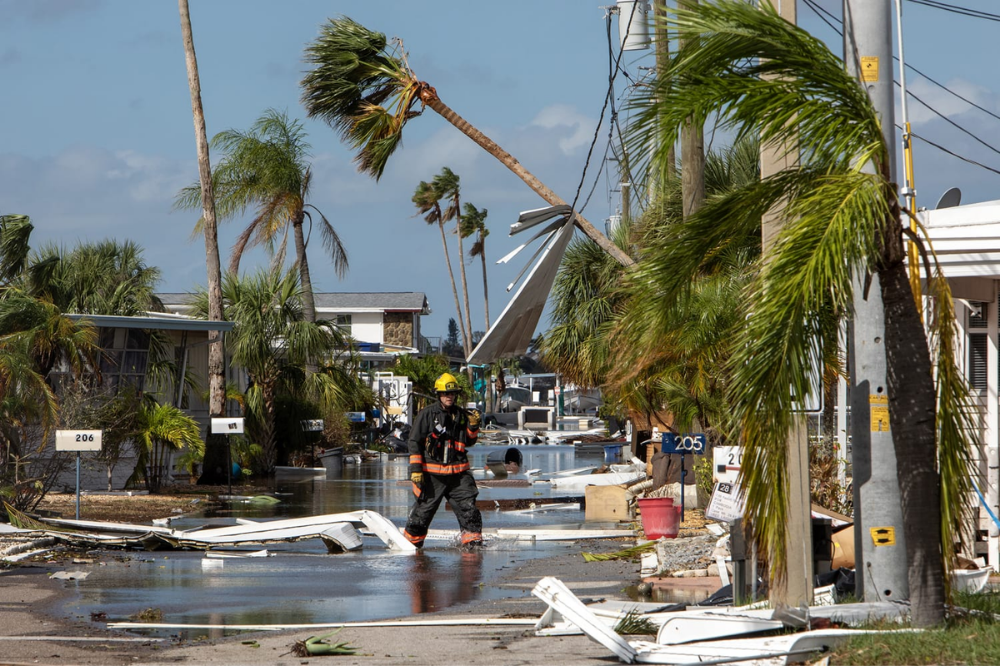
Florida and Hurricanes: It’s Not a Question of If — It’s When
If you own a home in South Florida, you already know that hurricane season is part of life here.
But most homeowners don’t know the full picture:
- How strong Florida hurricanes actually get
- What that strength means for your roof, windows, and doors
- Why your insurance company is watching every storm more closely than ever
Florida has been hit by more than 120 hurricanes since records began in 1851 — more than any other U.S. state. Dozens of those were major storms, Category 3 or higher, capable of destroying roofs and leaving families without a home.
And here’s what hits closest: after every major storm, insurers don’t just pay claims and move on. They look at which homes survived, which didn’t, and why. The result? Policy cancellations, skyrocketing premiums, and inspection demands — aimed squarely at older Florida homes.
This is exactly why the Hurricane Safety Program was created.
How Hurricanes Are Measured: The Saffir-Simpson Scale
Meteorologists rank hurricanes from Category 1 to 5 based on sustained wind speeds. Here’s what each level means for your home:
Category 1 — 74 to 95 mph
- Minor roof damage on older homes
- Downed trees and power outages
- Single-pane windows may crack or fail if hit by debris
Category 2 — 96 to 110 mph
- Roof decking begins to peel back
- Siding tears off
- Non-impact windows face a high probability of failure
- Tree damage onto homes is common
Category 3 — 111 to 129 mph (Major Hurricane)
- Large roof sections are lost
- Most non-impact windows and doors fail
- Homes built before Florida’s 2002 Building Code are extremely vulnerable
- This is where older South Florida homes begin to suffer catastrophic damage
Category 4 — 130 to 156 mph
- Entire roof structures can be ripped away
- Walls collapse in older construction
- Even newer homes can sustain major damage
- Hurricane Irma (2017) and Hurricane Ian (2022) both made landfall at this level
Category 5 — 157 mph and above
- Near-total destruction in the direct path
- Complete roof failure is common
- Very few homes escape unscathed — even modern ones
- Hurricane Andrew (1992) struck South Florida at this level
- Hurricane Milton reached 180 mph in the Gulf of Mexico in 2024
The Storms That Changed Florida Forever
Understanding Florida’s most powerful hurricanes explains why your insurance company behaves the way it does today — and why your home’s age and condition matter so much right now.
Hurricane Andrew (1992) — Category 5 | 165+ mph Winds
Andrew made landfall in Homestead, just south of Miami, on August 24, 1992. The destruction was immediate and total:
- More than 125,000 homes destroyed or severely damaged
- Over 175,000 people left homeless
- More than $27 billion in damage (over $60 billion in today’s dollars)
But the most important lesson wasn’t about the storm’s power. It was about the homes themselves.
Post-Andrew investigations found widespread failures:
- Roofs weren’t properly nailed down
- Windows had no wind-load ratings
- Garage doors blew in, allowing the storm to pressurize and destroy homes from the inside out
Andrew is the reason Florida’s modern building code exists. Every requirement about hurricane straps, roof deck attachment, and impact window standards traces directly back to what failed in Homestead in 1992.
Hurricane Irma (2017) — Category 4 | 130 mph at Landfall
Irma made landfall in the Florida Keys in September 2017, then tracked north through the entire state:
- Impacted all 67 Florida counties — the only storm in history to do so
- Caused more than $50 billion in damage in Florida alone
- Left hundreds of thousands of homes with significant roof damage
What Irma changed for homeowners:
- Insurance carriers began canceling policies on homes with roofs 15 or more years old
- Carriers started requiring certifications before renewals
- Many South Florida homeowners received their first non-renewal notices in the years following Irma
Hurricane Ian (2022) — Category 4 | 150 mph at Landfall
Ian made landfall near Fort Myers Beach on September 28, 2022. Storm surge in some areas reached 15 feet, erasing entire blocks of homes in Lee County:
- Approximately $113 billion in total damage — one of the costliest disasters in U.S. history
- Several insurance carriers became insolvent in the months that followed
- Remaining carriers imposed sweeping new underwriting rules:
- Mandatory inspections before coverage
- Refusal to write policies on older homes
- Non-renewals for homes without impact protection
Hurricane Milton (2024) — Category 3 at Landfall | Category 5 in the Gulf
Milton made landfall near Siesta Key in October 2024. What alarmed meteorologists was what happened before it arrived:
- Milton rapidly intensified to Category 5 with 180 mph winds while still in the Gulf of Mexico
- It weakened before landfall but still caused widespread roof damage across the Tampa Bay area
- It confirmed a growing trend: storms can intensify from Category 2 to Category 5 in under 24 hours
Why Florida’s Hurricane Risk Is Unlike Any Other State
Florida faces a combination of threats that no other state matches.
Geography
- Surrounded by warm water on three sides
- No mountains or hills to slow storms down before they reach populated areas
- Exposed to storm approaches from the east, south, and west simultaneously
Climate
- Gulf and Atlantic water temperatures regularly hit 85 degrees or higher during peak season
- Warmer water provides more energy for storms and faster intensification
- Peak season runs August through October — and activity in that window is increasing
Aging Homes
- Hundreds of thousands of South Florida homes were built in the 1970s, 1980s, and 1990s
- Most predate the modern Florida Building Code established after Hurricane Andrew
- Their roofs, windows, and doors were designed for a different era — and different standards
What Hurricane Winds Actually Do to Your Home
Understanding the mechanics of hurricane damage explains why insurance companies focus so heavily on three areas during inspections: your roof, your windows, and your doors.
Your Roof
- Wind creates lift, similar to the underside of an airplane wing
- If roof deck connections are not strong enough, the roof peels upward and away from the walls
- Modern hurricane straps and ring-shank nails dramatically reduce this risk
- Older homes often have neither
Your Windows
- When a window fails mid-storm, the inside of your home suddenly pressurizes
- That internal pressure dramatically increases upward force on the roof from below
- One broken window can trigger a cascade that destroys your entire home
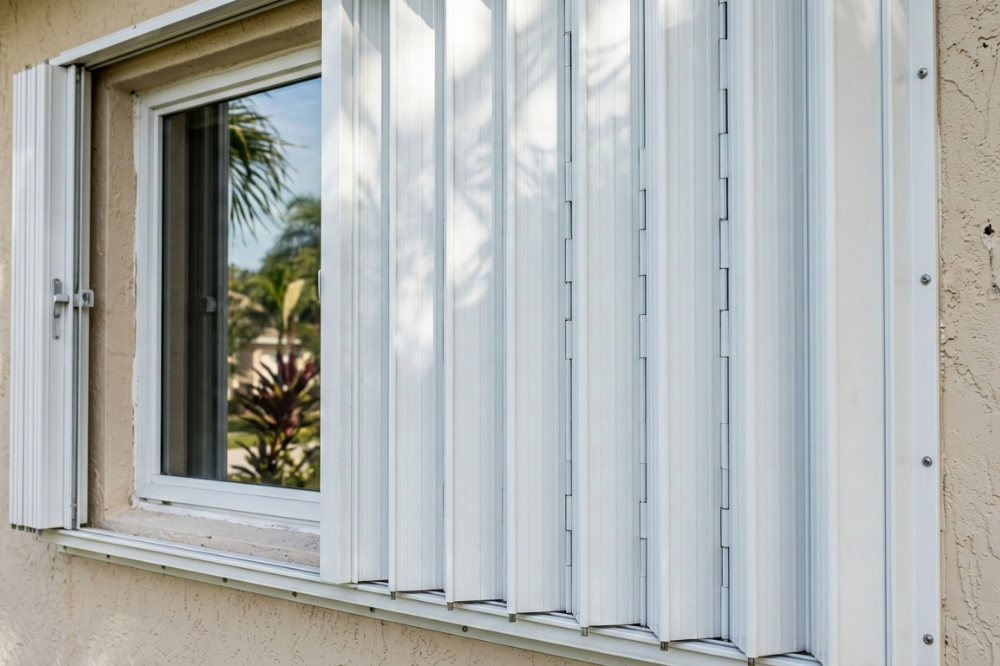
- Impact-resistant windows are engineered to stay intact even when struck by high-speed debris
Your Garage Door
- Older single-panel garage doors act like sails in strong winds
- When they fail, the sudden pressurization of the garage can lift the roof directly above it
- Many homeowners don’t realize their garage door may be the weakest point in their home’s hurricane protection
Florida’s Insurance Crisis: A Direct Result of Hurricane Risk
The connection between storm history and today’s insurance market is not complicated.
What has happened since 2021:
- More than a dozen private insurers left Florida or became insolvent
- Citizens Property Insurance, the state’s insurer of last resort, grew to over 1.4 million policies
- Premiums in South Florida rose 30% to 50% or more at renewal for many homeowners
What insurers are now requiring before coverage:
- 4-point inspections (roof, electrical, plumbing, and HVAC)
- Wind mitigation inspections
- Roof certifications or replacements for roofs 15 or more years old
- Impact windows or shutters as a condition of continued coverage
What happens if your home fails:
- Policy non-renewal with as little as 30 days’ notice
- Forced placement into Citizens at a higher premium
- In some cases, no available coverage at all
Florida’s Legislature passed insurance reform laws — SB 2-A and SB 4-D — to stabilize the market long-term. But those changes take time. For individual homeowners, the pressure is right now.
How the Hurricane Safety Program Helps
HSP was built specifically for South Florida homeowners facing insurance pressure, inspection demands, or homes that are not prepared for the next major storm.
Here’s how HSP handles the entire process:
Free Home Assessment We evaluate your roof age and condition, window protection level, door ratings, and overall hurricane readiness — at no cost to you.
Inspection Coordination We connect you with licensed, Florida-certified wind mitigation inspectors and help you understand exactly what they’re looking for before the inspection happens — no surprises.
Roof Replacement If your roof is 15 or more years old or failing underwriting requirements, HSP coordinates a full replacement using materials and methods that meet Florida Building Code and qualify for maximum wind mitigation credits.
Hurricane Impact Windows and Doors We install impact-resistant windows and doors that meet the Miami-Dade Notice of Acceptance (NOA) standard — the toughest impact certification in the country.
Full Permit Handling All work is fully permitted through local building departments. This protects your home’s value, ensures code compliance, and prevents complications at your next inspection or home sale.
Flexible Financing HSP offers financing designed for price-sensitive Florida homeowners. In many cases, the insurance savings from wind mitigation credits help offset the monthly payment — making upgrades more affordable than most homeowners expect.
Is Your Home Ready for the Next Hurricane Season?
Hurricane season runs June 1 through November 30 every year. Peak activity falls between August and October — a window that arrives faster than most homeowners realize.
Ask yourself these questions:
- Is your roof 15 or more years old?
- Do you have standard single-pane windows that are not impact-rated?
- Does your home have older exterior or garage doors that are not hurricane-certified?
- Have you had a wind mitigation inspection in the last few years?
- Have you received a non-renewal notice, premium increase, or inspection demand from your insurer?
If you answered yes to even one of these questions, your home may be at risk — both from the next storm and from your next insurance renewal.
Check If Your Home Qualifies — Before the Next Storm Season
The Hurricane Safety Program serves homeowners throughout Hillsborough, Miami-Dade, Broward, and Palm Beach counties.
Don’t wait for a notice in the mail or a storm on the radar.
Schedule your free home assessment today. Find out if you qualify, what your home needs, and how much you could save on your homeowner’s insurance.