✅ TLDR:
- Florida’s strict hurricane building codes stem from lessons after Hurricane Andrew.
- The Florida Building Code (FBC) mandates impact-resistant windows and wind-resistant designs.
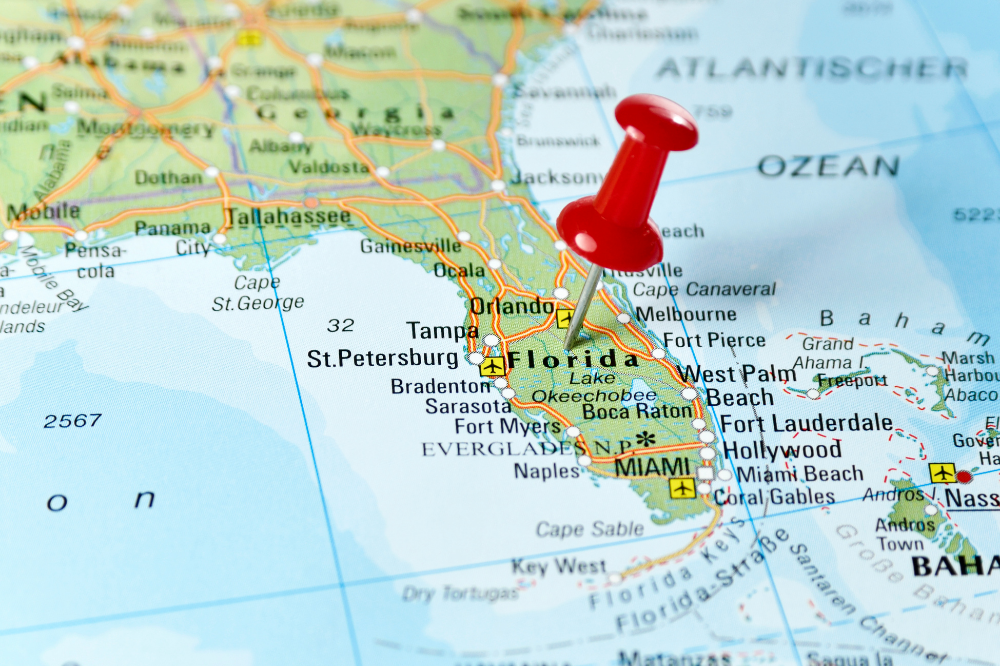
- High Velocity Hurricane Zone rules apply in South Florida.
- Codes protect against high winds, storm surge, and flying debris.
- Essential for homes built in hurricane-prone areas.
Florida’s beautiful coastlines and sunny weather come with a tradeoff: exposure to some of the most powerful storms in the world. With hurricane season bringing threats of high winds, storm surge, and flying debris, the state has adopted some of the strictest safety standards in the country. These rules—known as the Florida Hurricane Building Codes—help ensure that new homes built can withstand the toughest conditions nature can throw at them.
But what exactly are these hurricane building codes in Florida, and why do they matter for homeowners and communities? Let’s explore their history, requirements, and what they mean for you.
How Hurricane Andrew Changed Everything
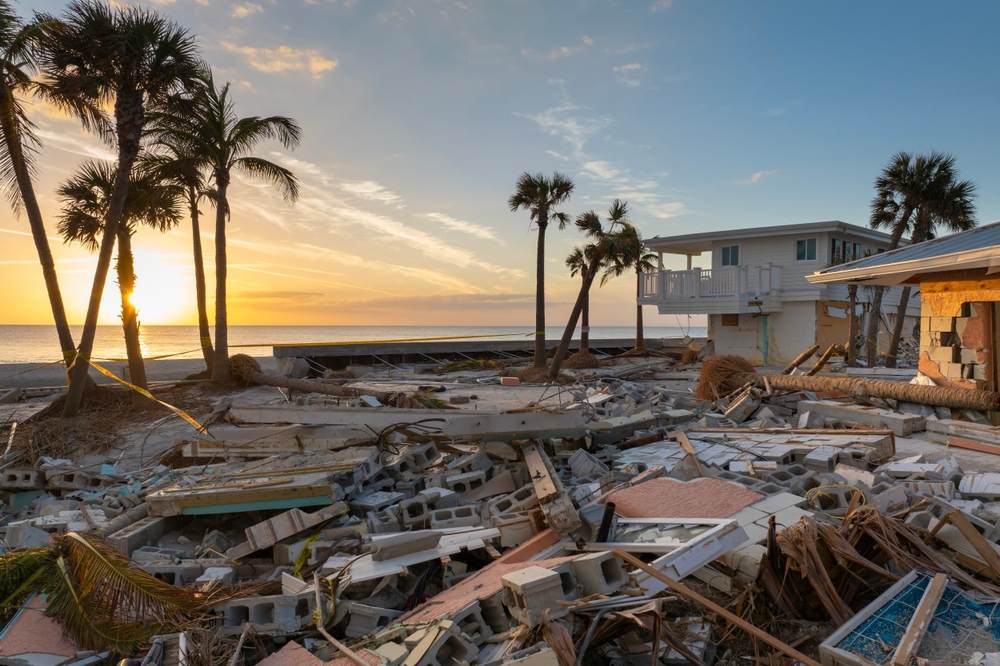
To understand modern building codes for Florida hurricanes, you need to look back at Hurricane Andrew in 1992. This Category 5 storm devastated South Florida, flattening thousands of houses, leaving entire neighborhoods unrecognizable, and exposing flaws in construction practices.
In its aftermath, lawmakers recognized the urgent need for stronger standards. Out of this came the Florida Building Code (FBC)—a unified set of regulations that replaced the patchwork of local codes. The Florida Building Code FBC became mandatory in 2002 and has been updated regularly to reflect advances in engineering and lessons learned from more recent storms.
Key Requirements of Florida Hurricane Building Codes
So, what do hurricane building codes for Florida actually require? They focus on structural strength, materials, and design features that improve wind resistance and reduce storm surge risk.
Impact-Resistant Windows and Doors
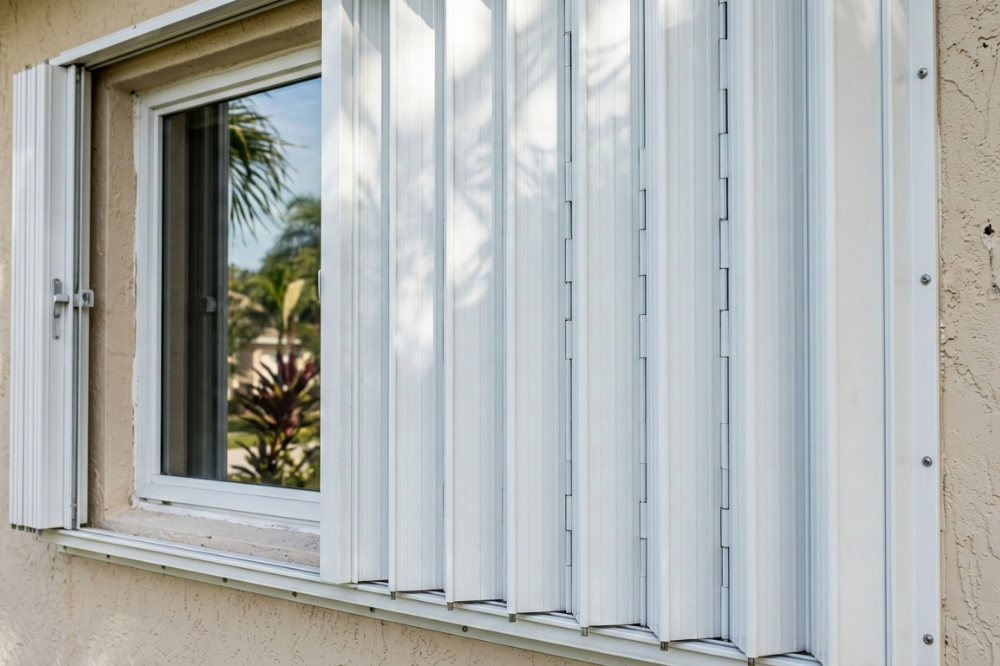
- Homes in hurricane-prone areas must include impact-resistant windows or approved storm shutters.
- These systems prevent glass from shattering during high-velocity hurricane zone impacts, keeping the building envelope intact.
Roof Construction Standards
- Roofs must use specific fastening systems, adhesives, and underlayments to reduce the risk of roof failure.
- Hip roof designs, which perform better against hurricane-force winds, are often recommended.
Anchoring and Connections
- Homes built in coastal areas require reinforced connections between the roof, walls, and foundation.
- Metal straps and anchors ensure a “continuous load path” so the structure holds together under strong winds.
High Velocity Hurricane Zone (HVHZ) Standards
- Miami-Dade and Broward counties are classified as an HVHZ.
- Here, stricter rules apply, including testing for impact-resistant windows and doors that must withstand debris traveling at extreme speeds.
How Building Codes Protect Homes During Hurricane Season
The goal of Florida building codes for hurricanes is simple: to make every new home a hurricane-resistant structure. When codes are followed, homeowners can expect:
- Better protection against high winds and flying debris
- Reduced risk of storm surge flooding when combined with proper elevation standards
- Lower property damage costs during storms
- Peace of mind knowing your family is safer
Studies have shown that houses built after 2002 under the Florida Building Code FBC experienced significantly less damage in storms like Hurricanes Charley, Irma, and Michael compared to older homes.
The Role of Insurance and Building Codes
Insurance companies pay close attention to whether your home meets building codes for Florida hurricanes. Homes with impact-resistant windows, reinforced roofs, and HVHZ-compliant features often qualify for discounts. Why? Because stronger homes mean less risk of catastrophic payouts.
By following hurricane building codes in Florida, you not only improve safety but may also reduce your insurance premiums.
Homes Built Before vs. After the Florida Building Code
If you live in a home built before 2002, it may not meet current Florida hurricane building codes. This doesn’t mean your home is unsafe—but it does mean you may be more vulnerable. Retrofitting older houses with impact-resistant windows, stronger roof connections, and improved doors can help bring them closer to current standards.
Newer homes built under the FBC are designed from the ground up to be wind resistant. Their roofs, windows, and structural systems are specifically engineered to handle sustained wind speeds set out in the code.
Preparing for Storm Surge and Flooding
While much of the Florida Building Code FBC focuses on high winds, it also addresses flooding. Building elevation requirements are critical in areas prone to storm surge. Homes must be built above a certain sea level benchmark to reduce flooding risk.
In coastal areas, this can mean houses are built on pilings or elevated slabs. These measures prevent major damage from storm surge and help protect communities from long-term displacement.
Challenges of Enforcing Building Codes
While Florida has some of the strictest hurricane building codes, enforcement is key. Local inspectors must ensure builders follow every rule, from roofing nails to impact-resistant windows. Homeowners also need to be aware of unlicensed contractors cutting corners.
That’s why verifying your builder or contractor understands Florida building codes for hurricanes is essential, especially if you’re building or remodeling in hurricane season.
Why Building Codes Matter for the Future
With climate change intensifying hurricane season, stronger homes are more important than ever. As storms bring higher wind speeds and greater storm surge, Florida’s focus on resilient construction ensures fewer families are displaced, less infrastructure is destroyed, and recovery is faster.
Building hurricane-resistant homes isn’t just about compliance—it’s about protecting communities, lowering long-term costs, and ensuring safer neighborhoods for generations to come.
The Bottom Line
So, why should you care about hurricane building codes in Florida? Because they make the difference between minimal damage and catastrophic loss. From impact-resistant windows to elevated foundations in flood-prone areas, every requirement of the Florida Building Code FBC is designed with one goal: keeping people safe when the winds rise and the seas surge.
If you’re buying, remodeling, or building a home in Florida, ask questions about compliance. Check if your property is in a high-velocity hurricane zone and whether your builder follows the latest building codes for Florida hurricanes.
Florida’s history with Hurricane Andrew taught the state a hard lesson. Today, the codes born from that disaster are saving lives and billions of dollars in property damage. And as storms continue to test Florida’s resilience, these building codes will remain a cornerstone of safety, strength, and preparation.