TLDR:
- Hurricane season in Florida: June 1–Nov 30.
- Peak: mid-August to late October.
- Risks: sustained winds, storm surge, flooding.
- Storms form from tropical waves to major hurricanes.
- Prepare with strong homes, supplies, and evacuation plans.
Florida’s year-round sunshine is one of its biggest attractions, but every summer and fall, residents prepare for something else: hurricane season. Understanding when peak hurricane season is in Florida, how long it lasts, and how to stay safe can make all the difference when storms threaten.
This guide breaks down the basics of the Atlantic hurricane season, how storms form, the dangers of major hurricanes, and practical steps for preparation.
How Long Is Hurricane Season in Florida?
The official Atlantic hurricane season runs from June 1 through November 30. This period covers the five months when conditions in the Atlantic Ocean are most favorable for storms to develop.
So, how long is hurricane season in Florida? Five months in total. During this time, residents should stay alert, review safety plans, and monitor forecasts closely.
The End of Hurricane Season in Florida
The end of hurricane season in Florida is November 30, but storms have been known to form outside of this window. That’s why being prepared year-round is always wise.
When Is Peak Hurricane Season in Florida?
While storms can happen anytime during the season, there’s a noticeable spike in activity. The peak of hurricane season usually falls between mid-August and late October.
Meteorologists point to several factors for this peak:
- Warm ocean waters across the Atlantic Ocean and the Gulf of Mexico
- Favorable tropical waves moving off the African coast
- Lower wind shear, allowing storms to strengthen
Knowing when the peak hurricane season in Florida is helps residents understand the riskiest months and plan ahead.
How Hurricanes Form
To prepare, it helps to know how storms evolve. Most Atlantic hurricanes begin as small disturbances called tropical waves.
- Tropical Depression: A cluster of storms with organized circulation and sustained winds of less than 39 mph.
- Tropical Storm: Winds increase to 39–73 mph; the storm gets a name.
- Hurricane: Winds reach at least 74 mph, and the storm is classified into categories based on intensity.
If conditions remain favorable—warm water, moisture, and low wind shear—storms can intensify quickly, sometimes becoming major hurricanes (Category 3 or higher).
The Threat of Major Hurricanes
Florida has faced its share of major hurricanes, including Andrew (1992), Charley (2004), and Irma (2017). These storms brought catastrophic property damage, flooding, and loss of life.
Major hurricanes pose greater risks because of:
- Sustained winds over 110 mph that can destroy buildings
- Massive storm surge pushing seawater inland
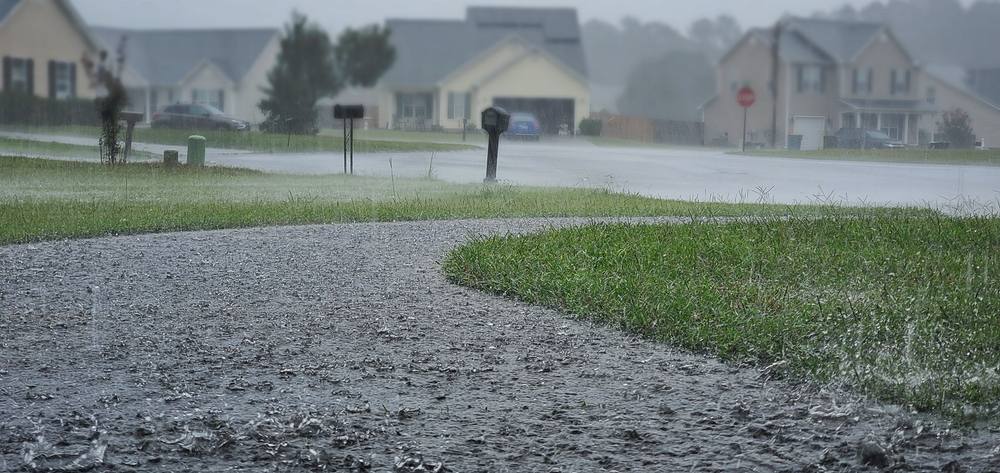
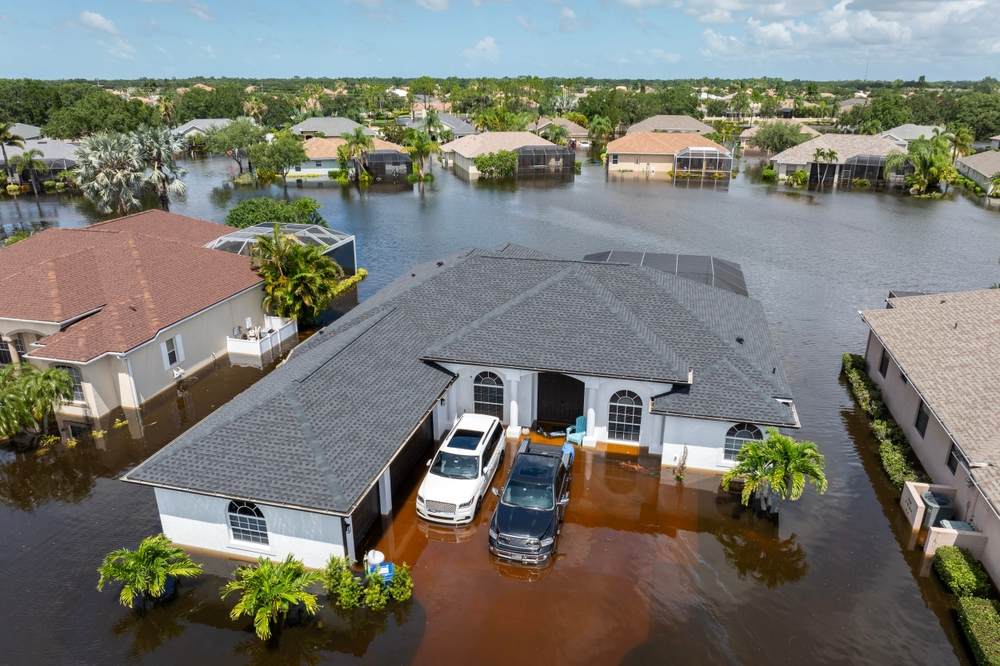
- Torrential rainfall leading to inland flooding
Even smaller storms can be destructive, but Category 3–5 hurricanes are especially dangerous for coastal and low-lying communities.
Risks Beyond the Coast
While much attention focuses on Florida’s beaches, inland communities also face dangers. Tropical depression systems can cause:
- Flash flooding from prolonged rain
- Tornadoes spun off by outer rainbands
- Power outages and road closures far from the coast
No matter where you live, knowing what to expect during hurricane season in Florida is crucial.
Preparing for Hurricane Season in Florida
Preparation is the best defense. Here’s what every household should do:
Home Preparations
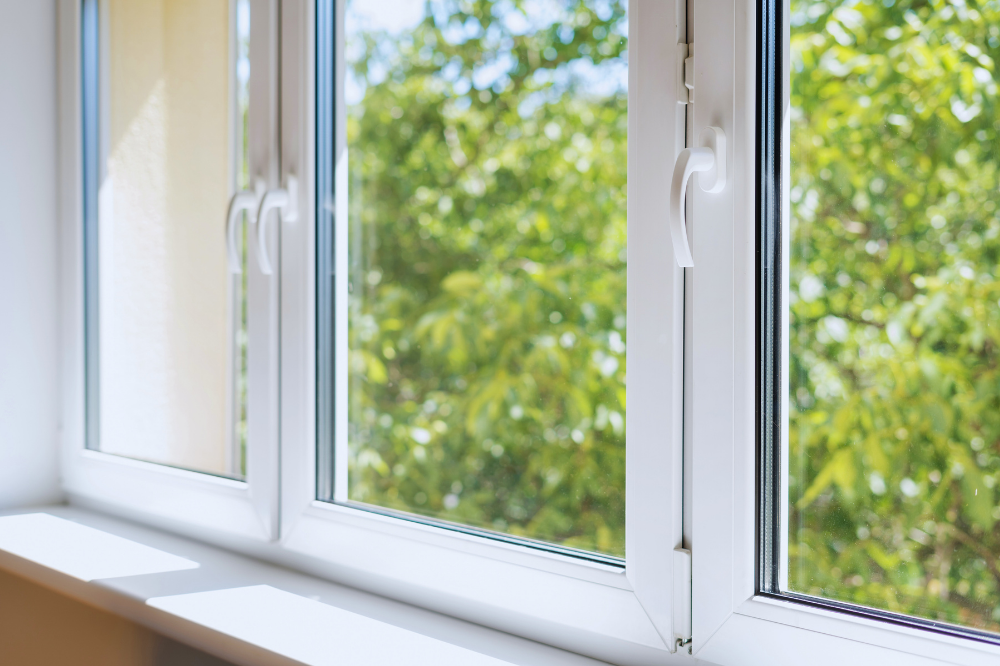
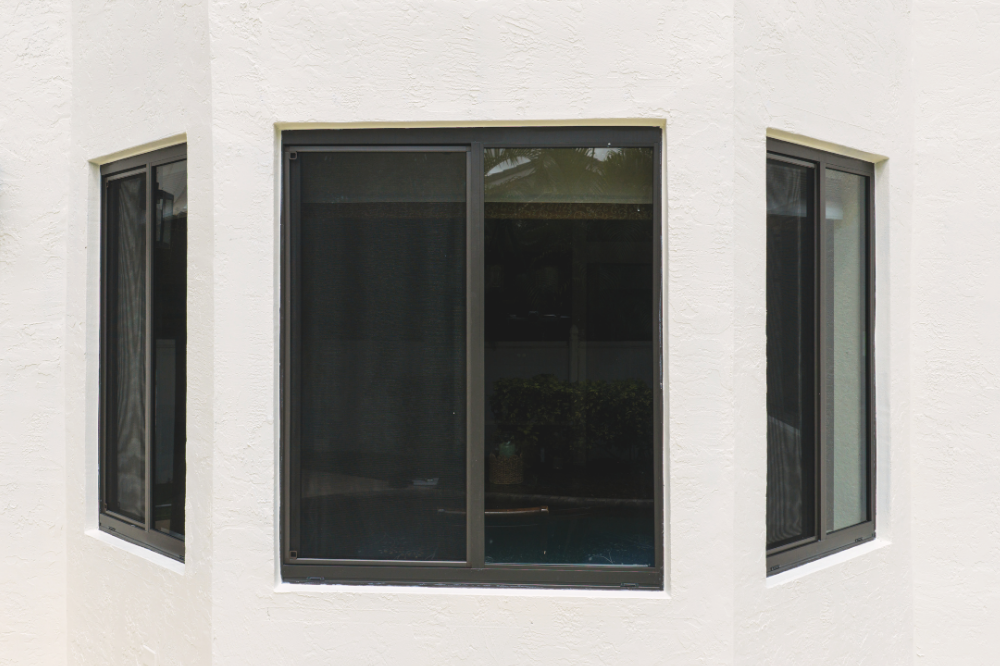
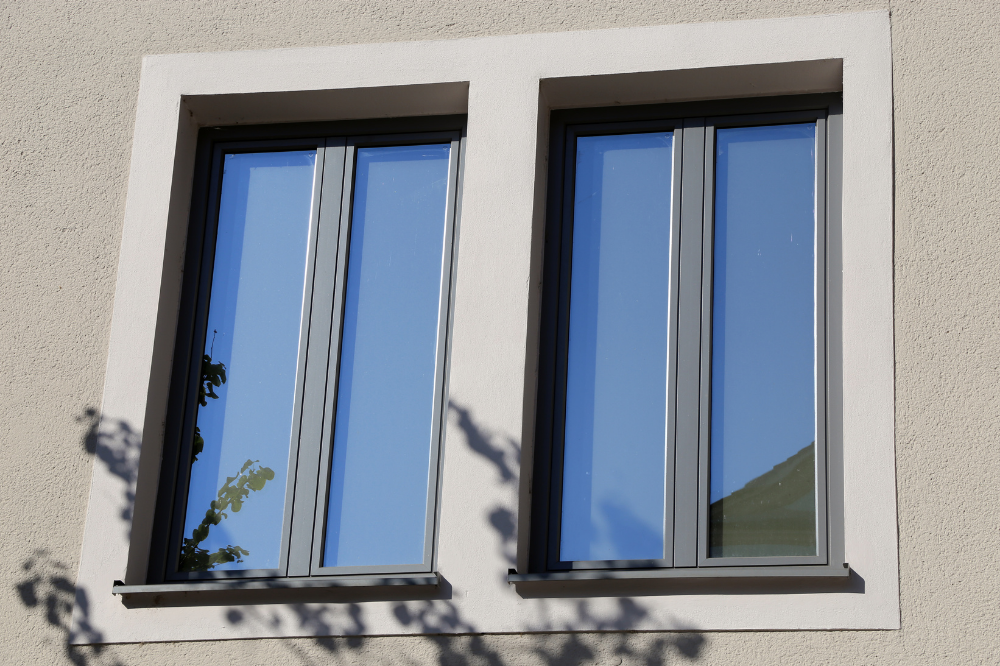
- Install impact-resistant windows or storm shutters.
- Reinforce roofs and doors against high winds.
- Trim trees and remove debris that could become projectiles.
- Check flood zones and elevate belongings if you live near water.
Emergency Supplies
- Stock at least 3–7 days of food, water, and medications.
- Keep flashlights, batteries, and a first-aid kit on hand.
- Prepare backup power sources, like generators.
Financial and Documentation Prep
- Review your insurance policy—many don’t cover flood damage automatically.
- Photograph your property for claims.
- Store important documents in waterproof containers.
Evacuation Planning
When a major hurricane threatens, evacuation orders may be issued. Residents should:
- Know their zone and routes in advance.
- Plan where to stay (with family, shelters, or hotels inland).
- Keep gas tanks full and vehicles ready.
Evacuations save lives, especially in areas prone to storm surge.
The Importance of Staying Informed
Modern forecasting has improved dramatically, but storms can still shift unexpectedly. Stay updated through:
- National Hurricane Center advisories
- Local emergency management alerts
- Weather apps and NOAA radios
Monitoring forecasts during the Atlantic hurricane season ensures you aren’t caught off guard.
The Bottom Line
So, when is peak hurricane season in Florida? Mid-August to late October. How long is hurricane season in Florida? Six months, officially ending on November 30.
But those are just dates. What matters most is preparation. Understanding how Atlantic hurricanes form, the risks of major hurricanes, and the dangers of storm surge and sustained winds can help you make smart decisions.
Whether you live on the coast or inland, preparation is key. By strengthening your home, stocking supplies, and staying alert, you can face hurricane season with confidence and resilience.
Safeguard your home and lower your insurance premium through the Hurricane Safety Program.