TLDR:
- Hurricane ratings for windows show strength against storms.
- Tested for wind pressure, impact resistance, and cyclic loads.
- The Florida Building Code sets strict standards, especially in HVHZ zones.
- Laminated glass boosts safety and durability.
- Proper window installation ensures maximum protection during high winds and flying debris.
Living in hurricane-prone areas like Florida means preparing for the worst. One of the best ways to protect your home is by investing in impact-resistant windows. But not all windows are created equal, and that’s where hurricane ratings for windows come in.
This guide explains hurricane window ratings, how they’re determined, and why they matter for your family’s safety.
Why Hurricane Window Ratings Matter
When high winds and flying debris hit your house, windows are often the weakest link. If they break, wind pressure rushes inside, which can lift the roof off and cause catastrophic damage.
That’s why hurricane impact window ratings exist. They help homeowners compare products and understand which windows can withstand the wind speed and wind pressure of serious storms.
The Florida Building Code and Window Ratings
The Florida Building Code (FBC) is one of the strictest in the nation. It requires that homes in hurricane-prone regions meet specific standards for strength and safety.
- Hurricane windows’ wind rating is measured to ensure the glass can resist both pressure and impact.
- In High Velocity Hurricane Zones (HVHZ) like Miami-Dade and Broward counties, even tougher rules apply.
- Only windows tested to withstand high winds and flying debris are approved.
If you’re planning a window installation, always check that the product meets the Florida building code requirements.
How Hurricane Window Ratings Are Determined
So, how are hurricane window ratings actually calculated? They’re based on several key tests:
1. Wind Pressure Tests
Windows are placed under simulated hurricane wind pressure to see if they can hold up. This simulates the conditions of hurricane-force winds pushing and pulling on glass and frames.
2. Impact Tests
Pieces of lumber are fired at the glass at speeds of 30–50 feet per second. To pass, the laminated glass must not shatter into dangerous pieces.
3. Cyclic Pressure Tests
Windows are exposed to repeated cycles of positive and negative air pressure, replicating how gusts and suction forces stress a window during a storm.
Passing all three ensures a strong hurricane-proof windows rating.
Understanding the Ratings: Wind Speed and Pressure
Hurricane Windows Wind Rating
Each product is rated for the maximum wind speed it can handle. For example, some windows are certified up to 150 mph sustained winds.
Pressure Ratings
Measured in pounds per square foot (psf), this shows how much wind pressure the window can withstand without failing.
Together, these numbers give you a clear idea of whether a window can handle the forces of a major hurricane.
What Hurricane Window Ratings Mean for You
- A hurricane-proof window rating ensures that glass won’t shatter under debris impact.
- It confirms that windows can withstand high wind pressure without blowing out.
- It means your home remains sealed, preventing sudden internal pressure changes that can cause roof failure.
Bottom line: these ratings are a roadmap to safety.
Common Misunderstandings About Hurricane Windows
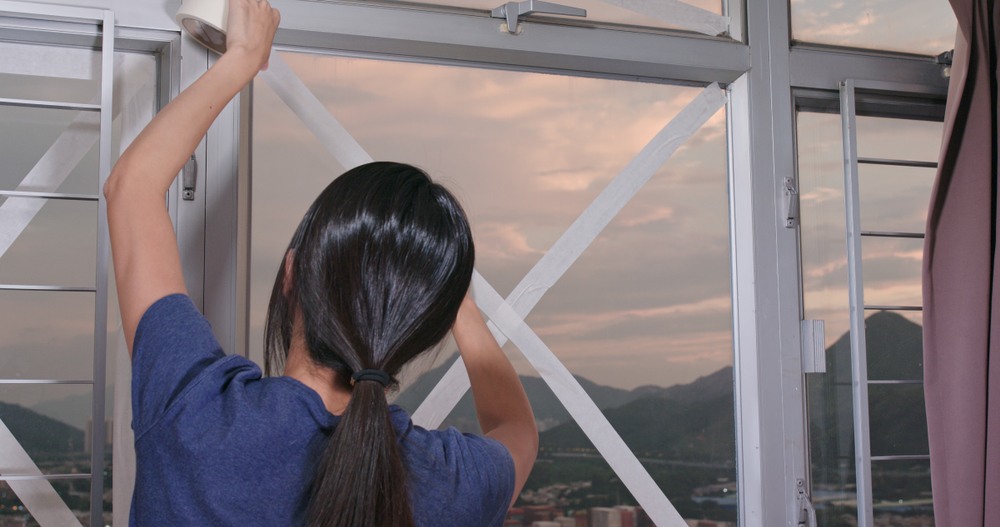
Some homeowners think regular windows with tape or shutters are enough. But the reality is different:
- Standard windows can’t resist high winds and flying debris.
- Shutters offer protection, but they must be closed and maintained before every storm.
- Impact-resistant windows, with proper hurricane ratings for windows, provide year-round protection.
Materials That Influence Ratings
The strength of hurricane windows ratings depends heavily on materials:
- Laminated Glass: Two or more glass panes bonded with a plastic interlayer. Even if cracked, the glass remains intact.
- Reinforced Frames: Strong aluminum or vinyl frames resist warping and pressure from force winds.
- Seals and Hardware: Proper sealing prevents leaks and structural weaknesses.
When shopping, ask about materials used—especially whether the glass is laminated.
Choosing the Right Windows for Your Home
When comparing hurricane window rating information, here are the steps to follow:
- Check Florida Building Code approval for your county.
- Look at hurricane impact windows ratings for wind speed and pressure.
- Consider location: coastal homes need stronger protection than inland properties.
- Factor in budget vs. risk—stronger ratings may cost more but provide greater peace of mind.
Window Installation and Ratings
Even the best hurricane-proof window rating won’t matter without correct window installation. Poor installation can cause leaks, frame separation, or total failure during storms.
Always work with licensed contractors experienced in Florida building code compliance.
How Hurricane Window Ratings Compare to Other Options
Why choose rated windows instead of shutters alone?
- 24/7 protection: No need to rush before every storm.
- Energy efficiency: Many impact-resistant windows reduce cooling costs year-round.
- Noise reduction: The same laminated glass that blocks debris also reduces outside noise.
- Home value: Properties with hurricane window ratings often sell for more.
The Bottom Line on Window Impact Ratings
When it comes to storm safety, understanding hurricane impact window ratings is crucial. These ratings aren’t just numbers; they represent real-world protection against high winds, flying debris, and catastrophic damage.
Whether you’re replacing old glass or starting a new window installation, make sure your choice meets the Florida Building Code and has the right hurricane window wind rating for your area.
With the right hurricane-proof windows rating, you’ll not only protect your home but also gain peace of mind during every hurricane season.
Safeguard your home and lower your insurance premium through the Hurricane Safety Program.