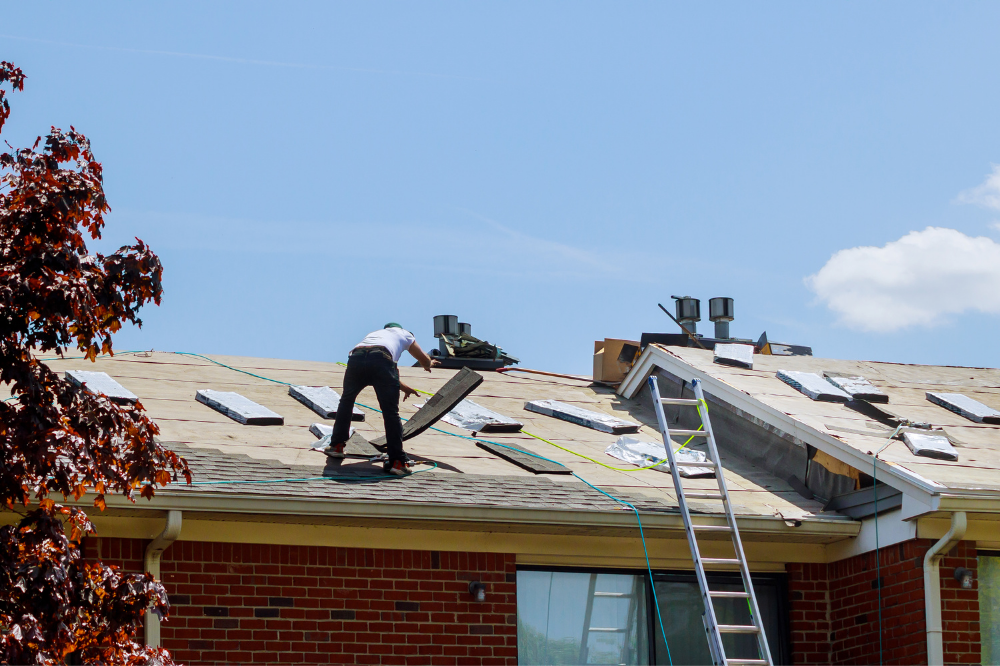
For Florida homeowners, your roof is no longer just a structural feature—it’s one of the most important factors determining whether you can keep home insurance, pass inspections, and protect your home during a hurricane.
As insurance companies tighten underwriting rules and storms grow stronger, understanding the types of roofs in Florida has become critical. Many homeowners in South Florida are learning the hard way that the wrong roof—or even the right roof at the wrong age—can lead to non-renewals, premium spikes, or forced replacements.
This guide explains the most common residential roof types in Florida, how they perform in hurricanes, and how insurance companies evaluate them—especially in Miami-Dade, Broward, Palm Beach, and Hillsborough counties.
Asphalt Shingle Roofs in Florida (3-Tab vs Architectural)
Asphalt shingles are the most common roof type in Florida, particularly on homes built between the 1970s and early 2000s. However, not all shingles are equal.
3-Tab Shingles
3-tab shingles were widely used in older Florida homes due to their low cost. Unfortunately, they perform poorly in high-wind environments and deteriorate quickly under Florida’s intense sun and humidity.
3-tab shingles were designed for mild climates and struggle in Florida’s high-wind, high-heat environment. They have lower wind ratings, shorter lifespans, and are frequently flagged by insurance companies once they begin to age. As a result, many homeowners with older 3-tab shingle roofs experience inspection issues or policy non-renewals, even when there are no active leaks.
Many insurance companies now flag or reject homes with aging 3-tab shingle roofs, even if there are no visible leaks.
Architectural (Dimensional) Shingles
Architectural shingles are thicker, heavier, and designed to resist higher wind speeds. They are now the standard for most roof replacements in Florida.
Insurance companies generally prefer architectural shingles because they are heavier, seal better, and are designed to resist higher wind speeds. When installed to current Florida Building Code standards and kept relatively new, they tend to perform better during inspections and renewals compared to older shingle systems.
Still, even architectural shingle roofs often face insurance pressure once they reach 15 years of age.
Metal Roofs: The Most Hurricane-Resistant Option
Metal roofing is one of the fastest-growing roof types in Florida, especially after recent hurricanes highlighted its superior performance.
Standing Seam Metal Roofs
Standing seam metal roofs are considered the gold standard for hurricane resistance.
Standing seam metal roofs offer exceptional wind resistance due to their interlocking panel design and concealed fasteners. They typically last several decades, resist corrosion and UV damage, and have far fewer failure points during hurricanes. Because of this durability, insurance companies often view metal roofs as lower risk and more stable long-term.
Exposed Fastener Metal Roofs
These are more affordable but require periodic maintenance due to exposed screws and washers.
Insurance companies generally view metal roofs as lower risk and may allow longer coverage periods with fewer inspections.
Concrete Tile Roofs: Durable but Misunderstood
Concrete tile roofs are extremely common in South Florida and often associated with upscale neighborhoods.
The Hidden Issue: Underlayment
While the tiles themselves can last 40–50 years, the underlayment beneath them typically lasts 20–25 years.
This creates a common insurance problem:
- Roof looks fine visually
- Underlayment is aging
- Insurance inspection fails
Many homeowners are surprised to learn they need major roof work even though their tile roof appears intact.
Clay Tile Roofs: Premium Look, Premium Scrutiny
Clay tile roofs share many characteristics with concrete tile but are more brittle and expensive to repair.
Insurance considerations:
- Heavy focus on underlayment age
- Repairs require specialized labor
- Higher replacement costs
Clay tile roofs often face strict inspection requirements as they age.
Flat and Low-Slope Roofs in Florida Homes
Flat roofs are common on:
- Modern homes
- Additions and Florida rooms
- Porches and patios
Common Materials
- Modified bitumen
- TPO
- Built-up roofing systems
Flat roofs face unique challenges in Florida’s climate. Heavy rainfall can lead to ponding water if drainage is not ideal, and their shorter lifespan makes them more likely to be flagged during insurance inspections. Without consistent maintenance, flat roofs can quickly become a liability for homeowners trying to remain insured.
Wood Shake Roofs: Rare and Insurance-Unfriendly
Wood shake roofs are rarely used in Florida today due to:
- Poor hurricane performance
- Fire risk
- Moisture and pest issues
Many insurers refuse coverage entirely for homes with wood roofs.
Hurricane Performance: Ranking Roof Types in Florida
From best to worst hurricane performance:
- Standing seam metal roofs
- Concrete tile roofs (properly installed)
- Architectural asphalt shingles
- Flat roofs (well maintained)
- 3-tab shingles
- Wood shake roofs
Roof failures often occur due to poor fastening, aging materials, or weak roof-to-wall connections—not just material choice.
Insurance Inspections and Roof Age Rules
Roof age is now one of the leading causes of insurance non-renewals in Florida.
Most insurers require:
- 4-point inspections on older homes
- Roof life certifications after 15 years
- Proof of remaining useful life
This makes roof upgrades a financial necessity, not just a maintenance decision.
Florida Building Code and High-Velocity Hurricane Zones
Miami-Dade and Broward counties fall under the High-Velocity Hurricane Zone (HVHZ), requiring:
- Miami-Dade product approvals
- Enhanced fastening patterns
- Secondary water barriers
Homes built or re-roofed after 2001 generally perform better and qualify for insurance discounts.
Which Roof Is Best for Florida Homeowners?
If insurance stability is your priority:
- Metal roofs or newer architectural shingles
If aesthetics matter most:
- Tile roofs with monitored underlayment age
If budget is limited:
- Architectural shingles installed to current code
The best roof is one that balances durability, insurability, and long-term cost.
How the Hurricane Safety Program Helps Homeowners
Navigating roof inspections, insurance requirements, and upgrades can be overwhelming.
The Hurricane Safety Program helps homeowners:
- Understand inspection requirements
- Coordinate roof upgrades and permits
- Improve wind mitigation eligibility
- Reduce insurance friction
We focus on helping homeowners stay protected, compliant, and insured.
Final Thoughts
Understanding the types of roofs in Florida is no longer optional—it’s essential for protecting your home and your financial future.
With stronger storms and stricter insurance rules, choosing the right roof—and maintaining it properly—can make the difference between staying insured or facing costly surprises.
Want to know if your roof is putting your insurance at risk?
👉 Schedule a free roof and wind mitigation evaluation today.