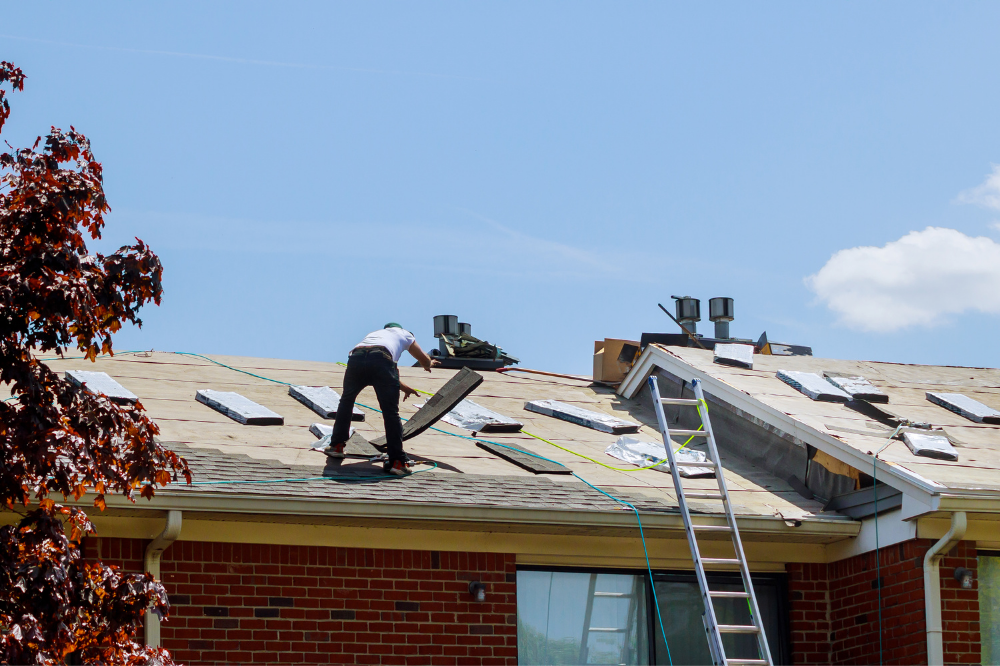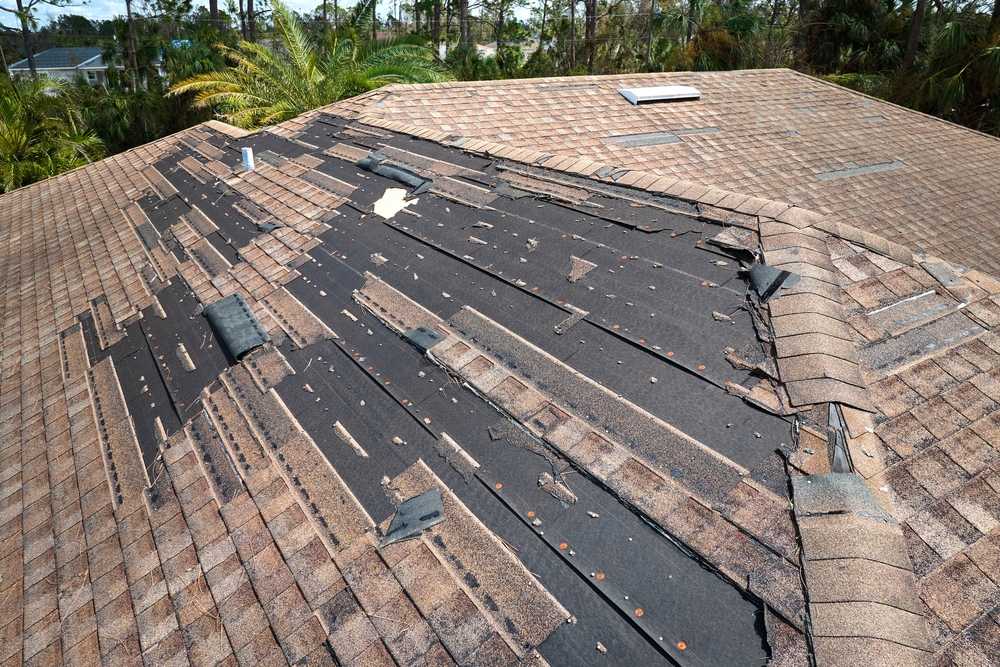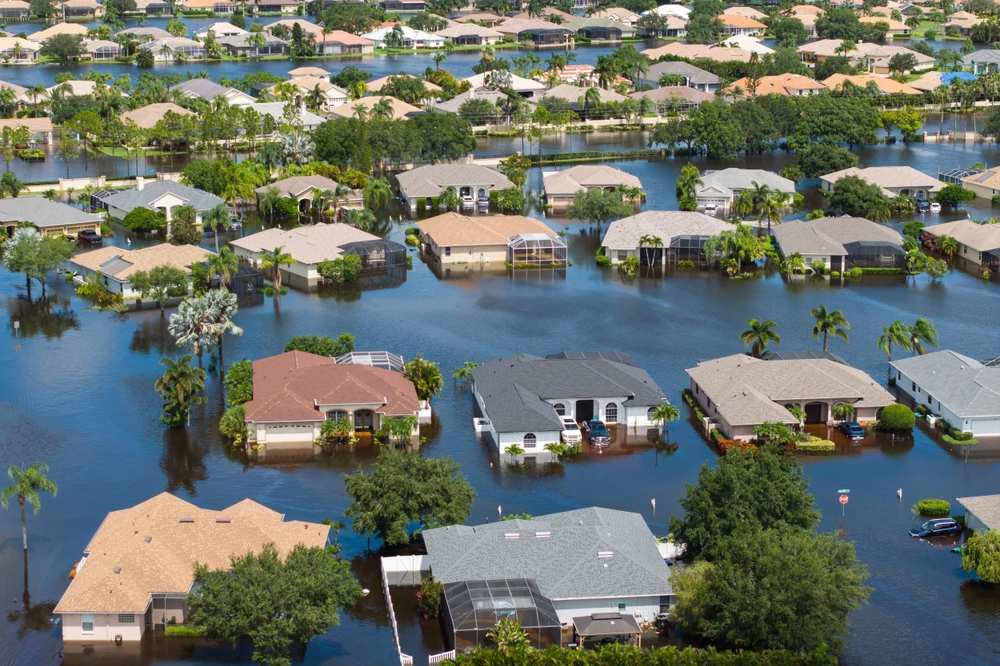
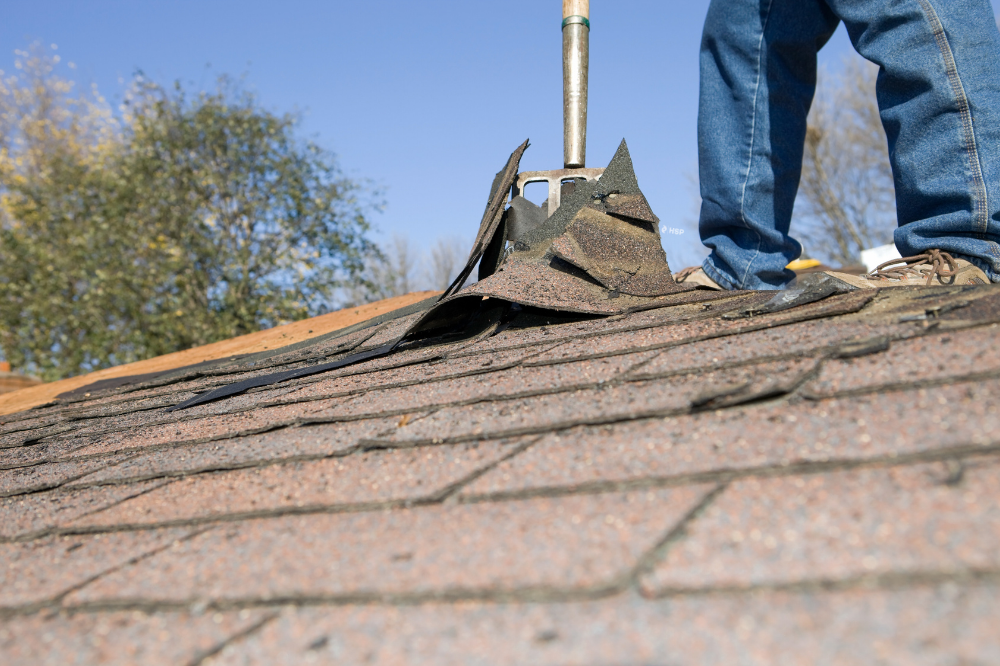
The knock usually comes within a day or two of a storm passing through. A friendly stranger points out damage you hadn’t noticed, offers a “free inspection,” and has a contract ready to sign on the spot. In Florida, this scene repeats after nearly every named storm — and it costs homeowners millions of dollars a year in bad workmanship, inflated bills, and roofs that fail again in the next storm.
With NOAA forecasting another active season and Colorado State University giving Florida the highest hurricane-impact probability of any state in 2026, it’s worth knowing how to tell a legitimate roofing contractor from a storm chaser before you’re standing on your porch with a pen in hand.
Who Are “Storm Chasers,” and Why Florida Sees So Many
Storm-chasing crews follow major weather events from state to state, arriving in the days after a hurricane to solicit roof repairs door-to-door. Some are legitimate out-of-state crews doing honest work. Many are not — operating without a Florida license, without local accountability, and often gone before problems with the work surface.
Florida is an especially attractive target because of how frequently storms make landfall here and how urgently homeowners want repairs done. That urgency is exactly what scam operators rely on.
Red Flags to Watch For
A few patterns show up again and again in Florida roofing complaints:
- Unsolicited door-knocking right after a storm. Reputable local roofers rarely need to canvas neighborhoods for work; their schedules are already full from referrals and existing customers.
- Pressure to sign immediately. High-pressure tactics — “this price is only good today” — are a classic warning sign. A legitimate contractor will give you time to review a contract.
- Large deposits demanded upfront. A reputable contractor uses a staged payment schedule, with final payment due only after the work is complete and passes inspection. Be wary of anyone asking for the full amount, or even half, before work begins.
- No local address or only a Sunbiz filing. A registered business name isn’t the same as a state contractor license. Ask directly for their roofing license number.
- Mismatched names. If the company name, the license holder’s name, and the name on your quote don’t match, that’s a sign the license may be borrowed or misused.
- Vague or inflated damage claims. Some crews exaggerate storm damage to justify a full replacement when a repair would do — or bill for premium materials while installing something cheaper.
How to Verify a Florida Roofing License in Two Minutes
Every roofer working in Florida is required to hold a state contractor license — a Certified Roofing Contractor (CCC) or Registered Roofing Contractor (RCC) license. Performing roofing work without one is a first-degree misdemeanor under Florida Statute 489.127.
Before signing anything:
- Ask for the contractor’s license number directly.
- Go to myfloridalicense.com and search the Department of Business and Professional Regulation (DBPR) license lookup.
- Confirm the status reads “Current, Active.” Expired, suspended, or revoked licenses are a hard stop.
- Check that the licensed individual’s name matches the company presenting the quote.
It takes less time than the sales pitch, and it’s the single most reliable way to filter out storm chasers before you’ve committed to anything.
What Actually Happens When You Hire an Unlicensed Crew
The consequences of skipping this step rarely show up on day one. They show up months later, and they tend to cost more than the original repair would have.
- The work isn’t permitted. Roofing work in Florida requires a permit and inspection sign-off from the local building department. Unlicensed crews frequently skip this step, which means the work isn’t on record — a problem that surfaces the next time you sell the home or file a claim tied to the roof.
- There’s no one to call back. Storm-chasing crews often work out of a truck and a phone number that stops answering once the check clears. If the roof leaks in six months, there’s no local business to hold accountable.
- Liens can attach to your property. If a contractor doesn’t pay their material suppliers or subcontractors, those parties can file a lien against your home — even though you already paid the contractor in full.
- The work has to be redone. Substandard installation, wrong fastener patterns, or missed flashing details often aren’t visible until the next storm, at which point the “repair” has failed and the real cost — a full re-do — is due.
None of this is unique to hurricane season, but the frequency spikes dramatically in the weeks after a major storm, when demand is highest and scrutiny is lowest.
Questions to Ask Before You Sign Anything
A short list of direct questions tends to separate legitimate contractors from everyone else almost immediately:
- What is your Florida contractor license number, and can I verify it while you’re here?
- Will this project be permitted through the local building department?
- What is your physical business address, and how long have you operated in this county?
- Can you provide three references from jobs completed in the last year?
- What does the payment schedule look like, and what triggers each payment?
- What manufacturer warranty applies to the materials, and what workmanship warranty do you provide separately?
A contractor who hesitates, deflects, or rushes past any of these questions is telling you something important.
Other Ways to Protect Yourself
Beyond license verification, a few habits go a long way:
- Get multiple quotes. A legitimate local contractor won’t discourage you from comparing bids.
- Ask for local references and a physical business address. A crew that’s been doing roofs in Miami-Dade or Broward for years should be able to point to nearby work.
- Get everything in writing. Scope of work, materials, timeline, and payment schedule should all be spelled out in the contract — not promised verbally.
- Be skeptical of same-day contracts. Real assessments take time. A roof inspection that turns into a signed contract in twenty minutes is a red flag, not a convenience.
- Report suspected fraud. Complaints against unlicensed contractors can be filed directly with DBPR, and it helps protect the next homeowner too.
How HSP Approaches Roofing the Right Way
The Hurricane Safety Program exists as an alternative to the storm-chaser model — not a faster version of it. HSP works with licensed, vetted local roofing crews, and every project follows the same structured process:
- A documented inspection before any work is scoped or quoted
- Licensed, permitted installation that meets current Florida Building Code
- Clear, written contracts with a staged payment schedule — never full payment upfront
- Upfront-cost financing available, with no payments due until November 2026
- A single point of contact managing the project from inspection through final sign-off
Homeowners looking into upgrades sometimes also come across My Safe Florida Home (MSFH), the state’s wind mitigation grant program. It’s a legitimate resource, but funding comes with income restrictions and a processing queue that can take months to clear. For homeowners who want a project handled now, without waiting on a grant cycle, HSP offers a straightforward path with none of the door-knocking urgency that scam operators rely on.
Quick Answers to Common Questions
Is it illegal to work as a roofer in Florida without a license? Yes. Performing roofing work without a current Certified Roofing Contractor (CCC) or Registered Roofing Contractor (RCC) license is a first-degree misdemeanor under Florida Statute 489.127.
How long does it take to verify a license? About two minutes. The DBPR license lookup at myfloridalicense.com is free and public — search by the contractor’s name or license number and check that the status reads “Current, Active.”
Should I ever hire a contractor who just knocked on my door? Not on the spot. If someone canvasses your neighborhood after a storm, treat it the same as any unsolicited sales visit: verify their license, ask for references, and get a second quote before signing anything — regardless of how urgent the pitch feels.
What if the damage is real and I do need a repair soon? Genuine storm damage doesn’t disappear in the time it takes to make one phone call to DBPR or get a second opinion. A day or two of diligence up front is far cheaper than months spent fixing a bad repair.
Before You Sign Anything
If a storm has just come through and someone is already on your doorstep with a contract, slow down. Verify the license. Ask for references. Get a second quote. A roof replacement is one of the largest investments a homeowner makes — it deserves the same scrutiny you’d give any major contract, not a rushed decision made in the driveway.
Check If Your Home Qualifies →
Call or text: +1 (888) 369-4536