Florida’s homeowners insurance market is finally cooling off. Citizens Property Insurance cut rates for 2026, and a growing list of private carriers are filing for decreases instead of increases for the first time in years. That’s good news — but it doesn’t mean every homeowner is capturing the savings they’re actually entitled to.
Wind mitigation discounts work differently than a general rate cut. They’re not something your insurer applies automatically as the market improves. Under Florida law, you have to prove your home has specific wind-resistant features, and that proof has to be documented in a very particular way. Get the documentation wrong — or run into one of a handful of common wind mitigation discount mistakes — and you can lose a credit you actually qualify for, even after paying for the upgrade.
This is where most Florida homeowners lose money without realizing it. They install impact windows, or a new roof, or hurricane straps, and assume the discount follows automatically. It doesn’t. Below is what the inspection form actually rewards, the fine print that most often costs homeowners their credit, and how to make sure your upgrades translate into real insurance savings.
What Wind Mitigation Credits Actually Reward
Florida Statute §627.0629 requires every residential property insurer in the state to offer premium discounts for verified wind-resistant construction features. Verification happens through a standardized inspection using the Office of Insurance Regulation’s official form, OIR-B1-1802, which was updated April 1, 2026 — insurers are now applying revised discount tables based on the new version.
The inspection scores five main categories, each tiered so that stronger configurations earn bigger discounts:
| Upgraded Feature | Best Configuration for Max Discount | Estimated Savings Range | Why It Matters |
|---|---|---|---|
| Opening Protection | Impact windows, impact doors, and a wind-rated garage door (full coverage) | 15% to 45%+ off wind premium | Stops the building envelope from breaching. One unprotected opening lets pressure build inside that can lift the roof from underneath. |
| Roof-to-Wall Connection | Double wraps or single wraps (metal straps over the truss) | 25% to 35% off wind premium | Anchors the roof structure into the wall studs so high winds can’t lift it off the home. |
| Roof Geometry (Shape) | Hip roof (sloped on all four sides) | 28% to 32% off wind premium | A hip roof deflects wind aerodynamically. Flat gable ends catch wind like a sail. |
| Roof Deck Attachment | Enhanced nailing pattern on thick plywood decking | 5% to 8% off wind premium | Keeps individual plywood sheets from ripping off and exposing the home’s interior. |
| Secondary Water Resistance | Self-adhering tape or membrane under the shingles | 3% to 8% off wind premium | Acts as a backup barrier against water intrusion if shingles are lost. |
These ranges vary by carrier, territory, and your home’s overall profile, but the pattern holds statewide: opening protection and roof-to-wall connections carry the largest credits — and they’re also where homeowners most often lose money to avoidable mistakes.
What the Difference Looks Like in Dollars
The windstorm portion of a Florida policy is usually the single biggest line item on the bill, often 30% to 70% of the total premium depending on location. That’s the portion these credits apply to — not your full policy.
Take a South Florida home where the windstorm portion runs $2,500 a year. A home with no verified protection sits at the bottom of every category. Move that same home to full opening protection, a hip roof, and double-wrap roof-to-wall connections, and the combined credits can realistically cut the windstorm portion by a third or more — often several hundred dollars a year, sometimes over $1,000 depending on the carrier. The upgrades don’t change; what changes is whether the paperwork actually documents them correctly.
The Fine Print That Can Zero Out Your Discount
The All-or-Nothing Rule for Openings
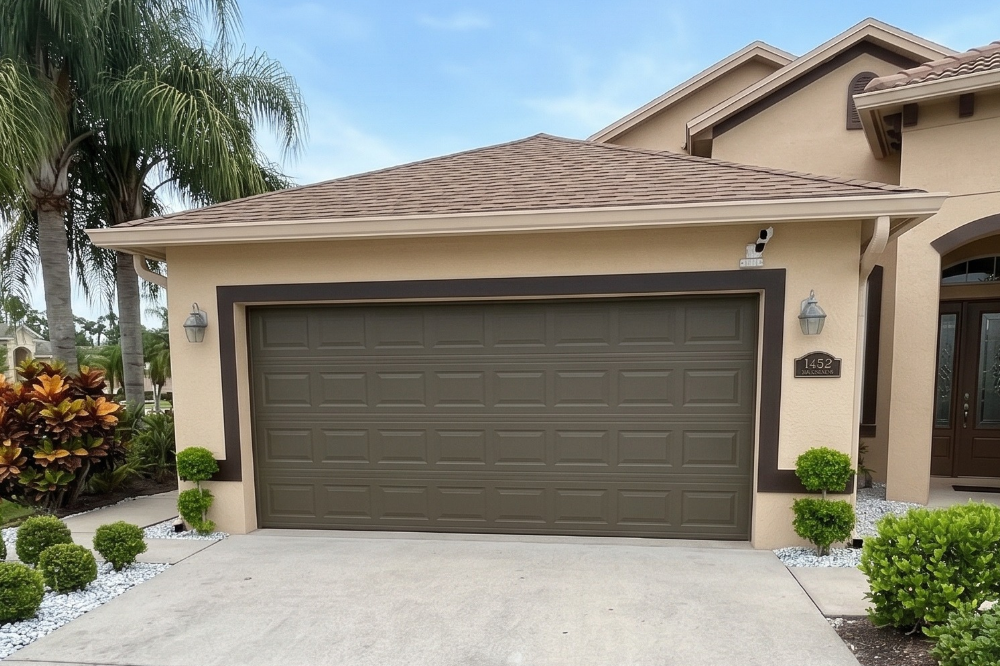
To reach the highest opening-protection tier, every exterior opening on the home has to be protected, not most of them. Replace every window with impact glass but leave a standard garage door or an unprotected side door, and the credit for that entire category can drop to the lowest tier available. Insurers don’t average partial coverage. A single unprotected opening can offset the credit you earned on the rest of the house.
Toenails vs. Clips and Wraps
Many older Florida homes are attached at the roof-to-wall connection with toenails — nails driven at an angle from the truss into the top plate. That connection type typically receives minimal or no credit. Upgrading to hurricane clips, single wraps, or double wraps is one of the few retrofits that can move the needle immediately, without a full roof replacement, because it’s the connection type — not the roof covering — that the inspection scores.
Timing Upgrades Around a Roof Replacement
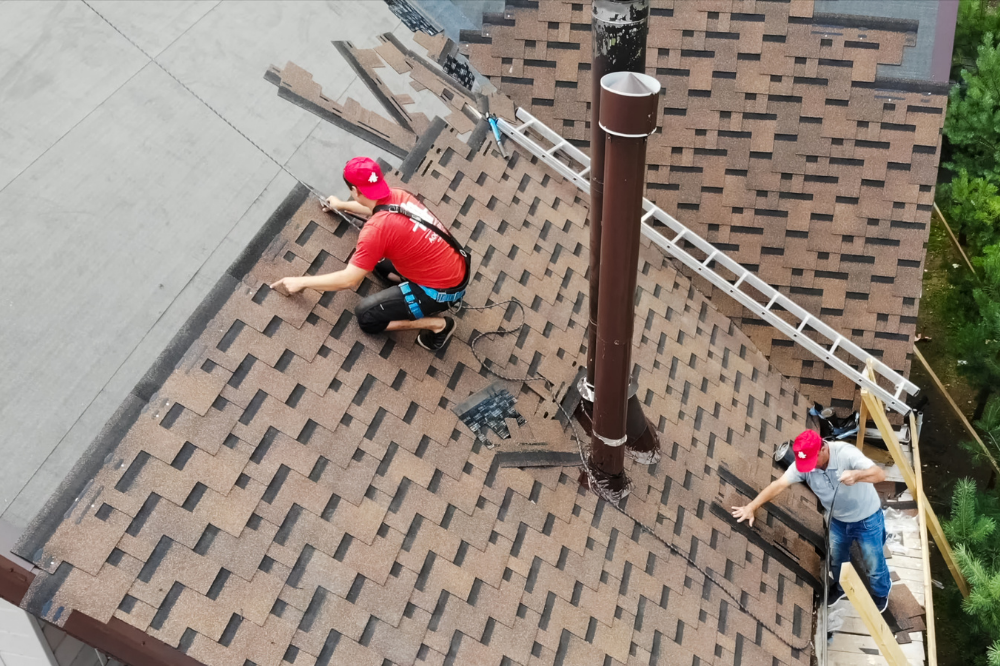
Secondary water resistance and roof deck attachment upgrades are far cheaper to add during a full roof replacement than after the fact. Once new shingles are down, adding SWR membrane or upgrading the nailing pattern typically means tearing the new roof back off. If a reroof is already scheduled or underway, that’s the window to verify — and if needed, upgrade — those two categories before they’re covered over for good.
How to Check Whether You’re Already Missing a Credit
You don’t need to wait for a renewal notice to find out if your policy reflects your home’s actual protection. A few quick checks can tell you whether it’s worth scheduling a new inspection:
- Pull your declarations page. It should list which wind mitigation credits are currently applied. If you’ve made upgrades since your last inspection, or you’re not sure what’s listed, that’s a sign to check further.
- Check the date on your last wind mitigation report. Most carriers only accept a report for up to five years. An older report may not reflect current upgrades, or may predate the April 2026 OIR-B1-1802 revision entirely.
- Walk your attic and openings with the categories above in mind. Are all doors and windows protected, not just some? Do the roof-to-wall connections look like straps, or plain nails? These are the two categories most likely to be underdocumented.
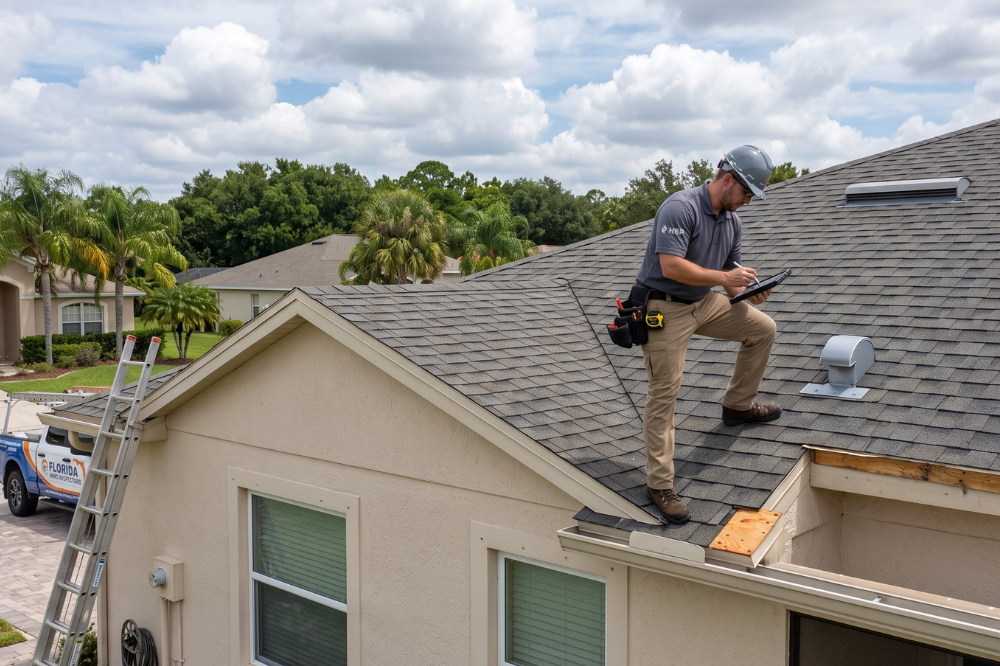
If any of this is unclear, a current inspection is the only way to know for certain — and it’s the same inspection HSP arranges as part of every project.
Why This Matters More in 2026
The statewide rate environment is easing. Citizens approved an average 8.7% decrease for 2026, and several private carriers have filed for reductions of their own after a few years of litigation reform. But those broad market moves are separate from the individual wind mitigation credits tied to your specific home. A house with toenail connections, partial opening protection, or no SWR documentation is still being rated as if it isn’t protected, no matter what the market average is doing.
NOAA’s 2026 outlook calls for a below-normal Atlantic season, with 8 to 14 named storms expected. A quieter forecast doesn’t remove the exposure — it just means fewer chances this year to find out whether your home’s actual protection matches what your insurer has on file. For homeowners in Miami-Dade, Broward, Palm Beach, and the greater Tampa Bay area, where the windstorm portion often makes up the largest share of the total premium, getting this documentation right is where the real annual savings sit.
How HSP Helps You Capture Every Credit
Hurricane Safety Program manages the entire process so nothing falls through the cracks between the upgrade and the discount. That includes:
- Inspection and documentation review — checking your home against the current OIR-B1-1802 categories before work starts, so we know exactly which upgrades move you to the next credit tier
- Permitting — unpermitted work can’t be verified by a wind mitigation inspector, so we handle the paperwork with your local building department
- Installation — impact windows, doors, roof-to-wall retrofits, and full reroofs with SWR and reinforced decking, done to the standard the inspection form requires
- Post-installation wind mitigation inspection — the report goes directly toward your insurance file, so the credit gets applied instead of left for you to chase down
- $0 upfront financing — qualifying homeowners can start upgrades now with no payments until November 2026
Florida’s My Safe Florida Home program does offer grants up to $10,000 toward some of these same upgrades, but eligibility is income-restricted and the program has a backlog of tens of thousands of completed inspections still waiting on funding. For homeowners who’d rather not wait on that queue, HSP offers a direct path to the same upgrades — and the same insurance credits — without the wait.
Frequently Asked Questions
Does replacing my roof automatically upgrade my wind mitigation credit? Not on its own. A new roof covering doesn’t change your roof-to-wall connection type or add secondary water resistance unless those upgrades are specifically included in the job and documented on a new inspection.
How long does a wind mitigation credit last? Most insurers accept a wind mitigation inspection report for up to five years, as long as no material changes have been made to the home.
What if my last inspection is outdated? If your home has been upgraded since your last inspection, or the report is more than five years old, a new inspection is the only way to get outdated or missing information corrected on your policy.
Check If Your Home Qualifies →
📞 +1 888-369-4536